
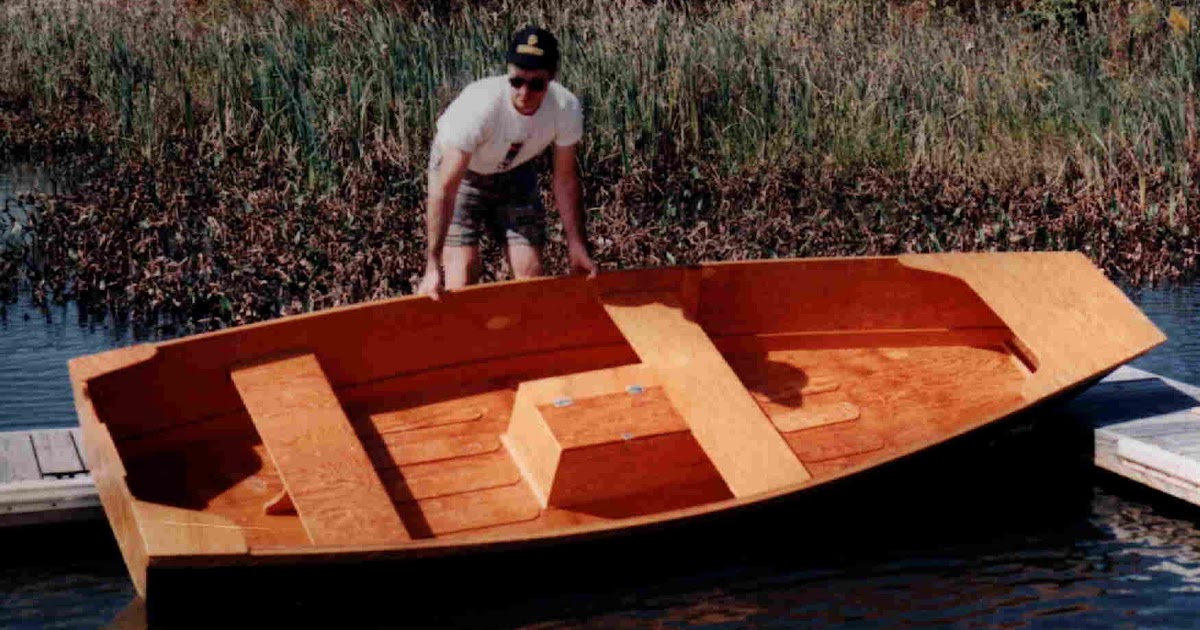
Building Your Own Plywood Rowboat
Craving the tranquility of paddling across a serene lake or navigating a peaceful river? Building your own plywood rowboat is a rewarding project that blends practical skills with a touch of nautical adventure. This comprehensive guide will walk you through the process, step by step, so you can craft a reliable and sturdy vessel to explore the waters.
Gathering Your Materials
Before embarking on your boatbuilding journey, gather the essential materials:
- Plywood: Choose marine-grade plywood, preferably 1/2-inch thick, for its durability and resistance to moisture.
- Boat Plans: Opt for pre-designed plans tailored to your desired boat size and style. These blueprints will provide detailed instructions and dimensions.
- Wood Glue: Use a high-quality waterproof wood glue for strong bonds.
- Epoxy Resin and Hardener: Epoxy is essential for sealing the wood and enhancing its water resistance.
- Fiberglass Cloth: This material, combined with epoxy, creates a durable, watertight barrier.
- Wood Screws: Use stainless steel screws for longevity and resistance to corrosion.
- Rowlocks: These metal pieces attach to the gunwales and hold the oars.
- Oars: Choose oars that are the appropriate length for your boat size.
- Paint: Select marine-grade paint for a protective and aesthetically pleasing finish.
- Tools: Equip yourself with basic woodworking tools like a saw, drill, sander, clamps, and measuring tape.
Building the Boat's Framework
Begin by carefully studying your boat plans. The framework, often called the "skeleton," provides the boat's shape and strength. Using the plans as your guide, cut the plywood into the required shapes, ensuring accuracy for a well-balanced boat.
Assembling the Framework
Follow the instructions in your plans to assemble the framework. This typically involves:
- Gluing and Clamping: Use wood glue to join the plywood sections, securing them with clamps for a strong bond.
- Screwing: Drive screws through the joints to further reinforce the framework.
- Verifying Dimensions: Periodically check your measurements to ensure that the framework adheres to the plan's specifications.
Adding Strength with Fiberglass and Epoxy
Once the framework is complete, it's time to enhance its strength and waterproofness. This involves applying fiberglass cloth and epoxy resin.
Preparing the Framework
Before applying fiberglass, carefully sand the surface of the framework to create a smooth, even layer for the fiberglass to adhere to.
Laying Fiberglass Cloth
Cut the fiberglass cloth into manageable pieces, following the dimensions outlined in your plans. Apply a coat of epoxy resin to the framework, then carefully lay the fiberglass cloth on top, smoothing out any air bubbles.
Applying More Epoxy
Once the fiberglass cloth is in place, apply another layer of epoxy resin over it, ensuring that the entire surface is evenly coated. Allow the epoxy to cure fully according to the manufacturer's instructions.
Finishing Touches
After the epoxy has cured, give your rowboat a final sanding to smooth out any rough edges. This step prepares the surface for painting.
Adding Paint
Apply marine-grade paint to the exterior and interior of the boat, providing a protective and aesthetically pleasing finish. Allow the paint to dry completely before moving on to the next step.
Installing Rowlocks and Seats
Install the rowlocks according to the instructions in your boat plans, ensuring they are securely attached to the gunwales. Install the seats in their designated locations, providing comfortable support for the rower.
Your Rowboat is Ready
Congratulations! Your plywood rowboat is complete. Take it to a nearby lake or river and enjoy the tranquility of paddling across the water. Remember to always prioritize safety when using your rowboat, and always wear a life jacket.
0 comments:
Post a Comment