
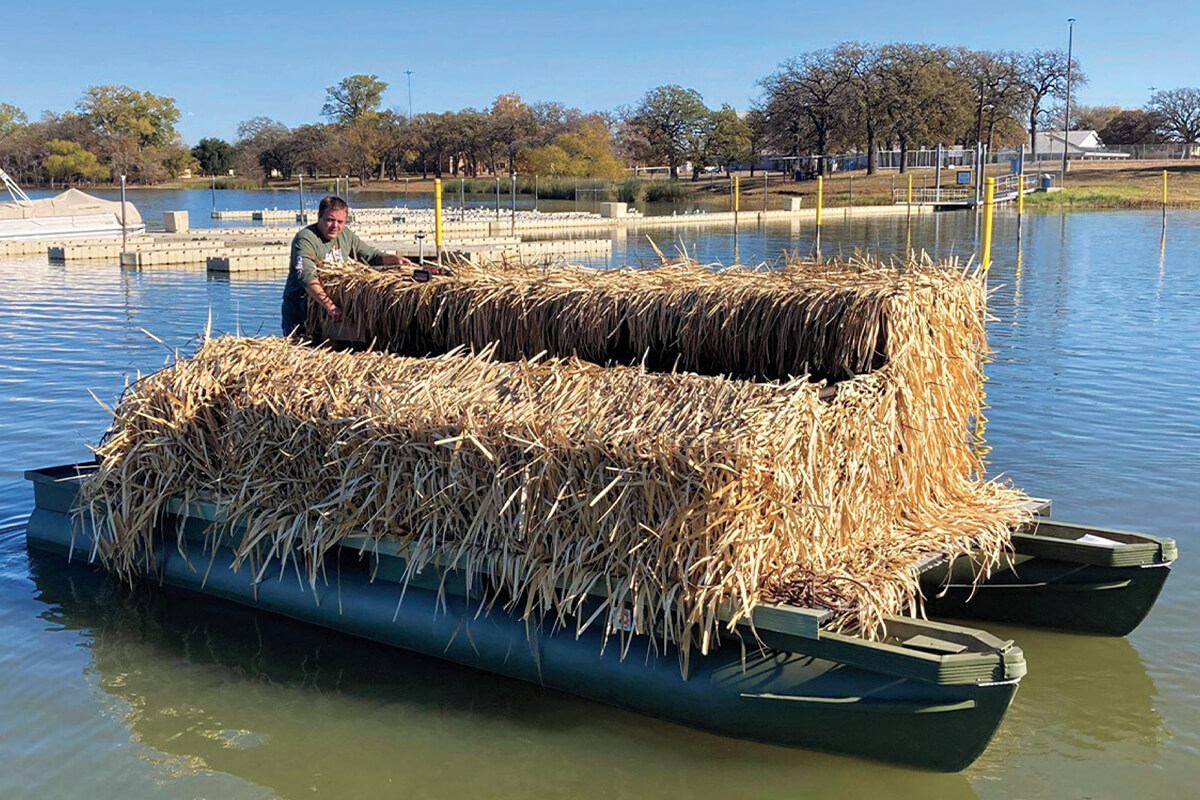
Building Your Own Duck Boat: Choosing the Right Material
So you’re thinking about building your own duck boat. That’s awesome! It’s a great way to save money, get your hands dirty, and build something truly personal. But before you start hammering away, you have a big decision to make: what material should you use? Wood, aluminum, or fiberglass? Each has its own advantages and drawbacks, so it’s worth spending some time considering your options.
Let's break down the pros and cons of each material so you can pick the best fit for your needs and skill level.
Wood: The Classic Choice
Wood has long been a popular material for duck boats. It’s naturally buoyant, relatively inexpensive, and easy to work with. If you’re handy with tools and enjoy the craft of woodworking, a wooden duck boat could be a rewarding project.
Pros of Wood:
- Affordability: Wood is generally less expensive than aluminum or fiberglass, especially if you’re sourcing your own lumber.
- Easy to Work With: You don’t need specialized tools to work with wood. Basic hand tools will get you a long way.
- Warmth and Comfort: Wood is a natural material that can feel warmer and more comfortable to sit on than metal or fiberglass, especially on chilly mornings.
- Customization: Wood is easily customizable. You can shape it, carve it, and even add decorative elements to create a truly unique boat.
Cons of Wood:
- Maintenance: Wood requires regular maintenance, including sanding, staining, and sealing, to prevent rot and damage.
- Durability: Wood is not as durable as aluminum or fiberglass. It's susceptible to dents, scratches, and water damage.
- Weight: Wood is heavier than aluminum, which can affect your boat's performance and handling.
Aluminum: Tough and Durable
Aluminum is a strong, lightweight, and corrosion-resistant material. It's a popular choice for duck boats because it holds up well to the rigors of hunting and can be easily repaired in the field.
Pros of Aluminum:
- Durability: Aluminum is incredibly strong and resistant to dents, scratches, and rust. It can handle harsh conditions and impacts without easily denting or breaking.
- Lightweight: Aluminum is lighter than wood, which can improve your boat's performance and handling. You’ll be able to maneuver quickly and easily through the water.
- Low Maintenance: Aluminum doesn't require much maintenance. Just wash it down after use and it’s good to go.
- Recyclable: Aluminum is a recyclable material, making it an environmentally friendly choice.
Cons of Aluminum:
- Cost: Aluminum can be more expensive than wood, especially for larger boats.
- Coldness: Aluminum can feel cold to the touch in colder weather. This can be a drawback if you plan on hunting in frigid temperatures.
- Noise: Aluminum can be noisy when the boat moves, which can scare away ducks. This can be addressed with sound-dampening materials, but it adds to the overall cost.
Fiberglass: Strong, Smooth, and Sleek
Fiberglass is known for its strength, durability, and smooth finish. It's a popular choice for duck boats because it's lightweight, watertight, and can be molded into complex shapes.
Pros of Fiberglass:
- Strength and Durability: Fiberglass is very strong and resistant to dents, scratches, and water damage. It’s also resistant to rot and corrosion.
- Lightweight: Fiberglass is lightweight, which can improve your boat's performance and handling.
- Watertight: Fiberglass is inherently waterproof and can be sealed to prevent leaks.
- Customization: Fiberglass can be molded into complex shapes, allowing you to create a boat that meets your specific needs.
Cons of Fiberglass:
- Cost: Fiberglass is the most expensive material for duck boats. It requires specialized equipment and expertise to work with.
- Difficult to Repair: Repairing fiberglass can be challenging. It usually requires specialized skills and materials.
- Heat: Fiberglass can get hot in direct sunlight, making it uncomfortable to sit on in warm weather.
Choosing the Right Material for You
So, how do you choose the right material for your duck boat? Here are some factors to consider:
- Budget: Wood is the most affordable option, followed by aluminum and then fiberglass.
- Skill Level: Woodworking skills are required for a wooden duck boat. Aluminum and fiberglass require different skills and may require more specialized tools.
- Desired Durability: Aluminum and fiberglass are more durable than wood.
- Hunting Style: Consider where you’ll be hunting and the type of hunting you plan to do. If you’re hunting in rough waters or need a very light boat, aluminum or fiberglass might be a better choice. If you’re hunting in calmer waters, wood could be a good option.
Frequently Asked Questions
Q: Can I combine different materials in my duck boat?
A: Yes, you can! Combining materials is a common approach to building a duck boat. You could use a wooden hull with aluminum sides or a fiberglass hull with aluminum seats and trim.
Q: What are the best ways to protect my duck boat from the elements?
A: For a wooden duck boat, regular sanding, staining, and sealing are crucial. For aluminum, you can use a protective coating like a sealant or paint. Fiberglass should be protected from scratches and impacts.
Q: What kind of tools do I need for each material?
A: For wood, you'll need basic woodworking tools like saws, hammers, chisels, and a drill. For aluminum, you'll need tools for cutting and shaping metal, like a jigsaw, shears, and a welding torch. For fiberglass, you'll need a variety of tools for working with resin, including brushes, rollers, and gloves.
Building your own duck boat is a rewarding experience. With careful planning and research, you can build a boat that is both functional and beautiful. No matter which material you choose, enjoy the process and get out there and hunt!
0 comments:
Post a Comment