Saturday, December 7, 2024

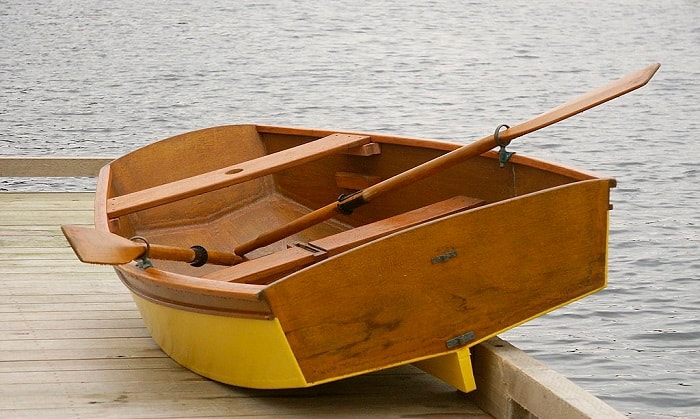
Affordable Wooden Boat Plan for DIY Projects on a Budget

Affordable Wooden Boat Plan for DIY Projects on a Budget

Unlocking the Sea: Affordable Wooden Boat Plans & Unexpected DIY Triumphs

Building your own boat is a dream for many, a testament to human ingenuity and a profound connection with the water. But the cost? That's often the anchor dragging down ambitious projects. This article dives beyond the typical "how-to" to explore the often-overlooked aspects of affordable wooden boat building, providing fresh perspectives for hobbyists, seasoned craftsmen, and educational institutions alike.

Beyond the Blueprint: The Unsung Heroes of Budget Boat Building

Let's face it: finding truly affordable, high-quality wooden boat plans can be a challenge. But the cost of the plan is only one piece of the puzzle. Where can significant savings be found, without compromising quality or safety?

Q: How can I source sustainable and affordable lumber for my boat project?

A: Forget big-box stores. Explore these often-overlooked avenues:

  • Reclaimed wood: Salvaged lumber offers unique character and incredible cost savings. Look for old barns, demolition sites (with proper permissions, of course!), and even local mills specializing in reclaimed wood. The character of reclaimed wood adds a unique charm and often results in a stronger, more durable boat than new lumber.
  • Local lumber yards and sawmills: Build relationships with smaller, local operations. They often have seconds or offcuts at significantly reduced prices, perfectly suitable for many boatbuilding applications. Plus, you're supporting local businesses and reducing transportation costs.
  • Species selection: Don’t automatically assume exotic hardwoods are essential. Common species like Douglas fir, cedar, or even pine, when properly treated, offer excellent strength-to-cost ratios. Research their properties carefully to match the right wood to each part of your boat.

Q: What are some often-overlooked cost-saving techniques during the building process?

A: The devil's in the details. Small choices add up:

  • Embrace simple designs: Elegant simplicity is often more affordable and easier to build than complex designs. A classic clinker-built dinghy, for example, can be surprisingly achievable on a tight budget.
  • Master basic woodworking skills: Invest time in learning fundamental techniques. This will improve efficiency, reduce material waste, and allow you to handle repairs yourself, saving on professional labor costs. Consider online courses or community college workshops.
  • Utilize hand tools whenever possible: While power tools offer speed, hand tools are often more affordable and gentler on materials, especially in intricate areas. It's also a more meditative and rewarding experience!

Beyond the Boat: Educational & Community Aspects

Building a boat is more than just a project; it's an educational journey and a potential community-building experience.

Case Study: The High School Hull

One high school in Maine incorporated boat building into its curriculum, using readily available plans and locally sourced lumber. Students not only learned valuable woodworking and nautical skills but also developed teamwork, problem-solving abilities, and a deep appreciation for sustainable practices. The final product? A beautiful, functional boat built entirely by students, showcasing the potential for educational institutions to integrate affordable boat building into their programs. This project also demonstrated the value of collaborative learning, tapping into the collective knowledge and skills of students and instructors, which reduces individual burdens.

The Unexpected Rewards: More Than Just a Boat

The journey of building your own boat from affordable plans offers intangible rewards beyond the finished product. The sense of accomplishment, the problem-solving skills honed, and the deeper understanding of materials and craftsmanship are invaluable. It's a testament to the power of human ingenuity and a direct connection to a rich maritime heritage, proving that even on a budget, the dream of owning a handcrafted vessel can become a reality.

Disclaimer: Always prioritize safety. Consult with experienced boatbuilders and adhere to all relevant safety regulations throughout the construction process.
Boat Plans Stitch and Glue for Building a Boat with Efficient Performance

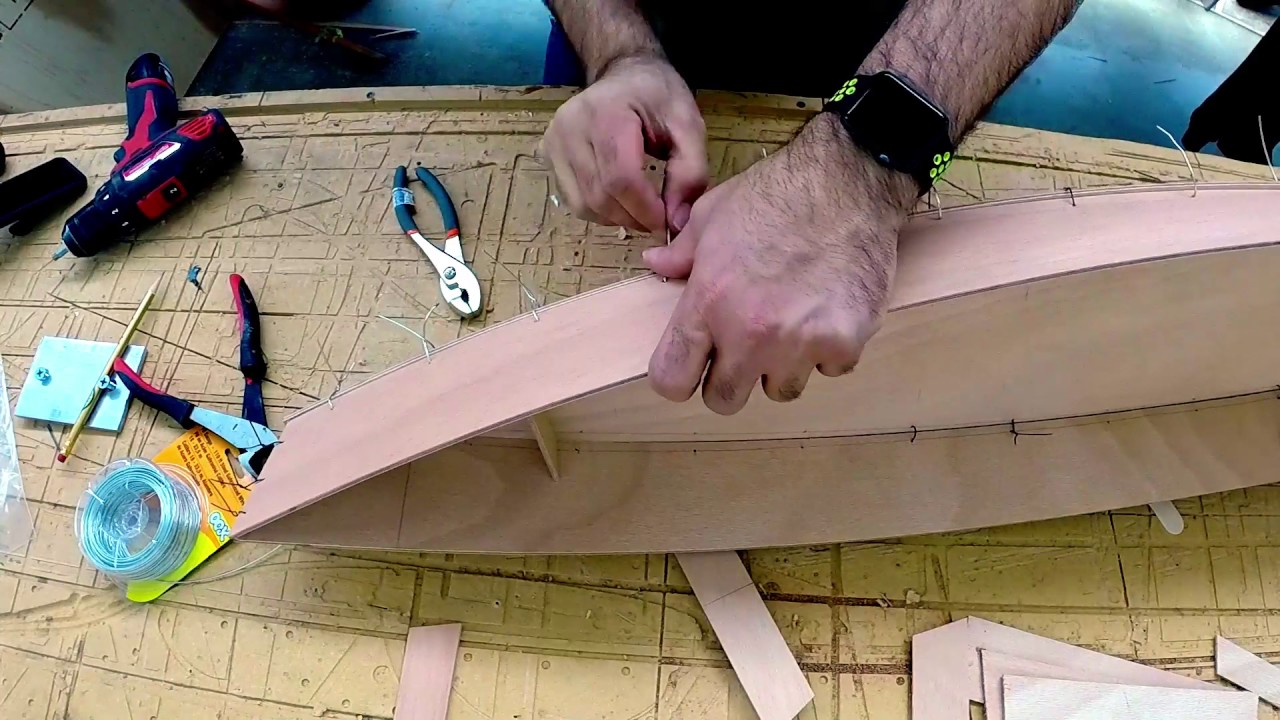
Boat Plans Stitch and Glue for Building a Boat with Efficient Performance

Unlocking the Potential: A Stitch-and-Glue Boatbuilding Revolution

Stitch-and-glue boatbuilding, with its inherent simplicity and efficiency, has captivated hobbyists and professionals alike. But are we truly maximizing its potential? This article delves beyond the standard how-to guides, exploring unconventional approaches and fresh perspectives to elevate your stitch-and-glue project to new heights of performance and satisfaction. We'll tackle questions rarely addressed, offering insights for everyone from seasoned craftsmen to enthusiastic beginners.

Beyond the Basics: Rethinking Stitch-and-Glue Design

Traditional stitch-and-glue plans often focus on proven designs. But what if we challenge the norms? What innovative design elements could we incorporate to achieve superior performance without sacrificing the inherent ease of the method?

Q: Can we optimize hull shape for specific water conditions?

A: Absolutely! While many plans offer general-purpose hulls, we can leverage computational fluid dynamics (CFD) software â€" readily available and increasingly user-friendly â€" to design hulls optimized for specific conditions. For example, a flat-bottomed design excels in shallow waters, while a deeper V-hull cuts through waves more efficiently. By modeling various hull forms and analyzing their performance in virtual environments, we can make data-driven design choices for improved speed, stability, and fuel efficiency. This opens up a world of custom boat design, tailoring the vessel to your specific needs rather than adapting your needs to a pre-existing design.

Q: How can we integrate advanced materials beyond plywood?

A: While plywood remains the staple, experimenting with composite materials like fiberglass or carbon fiber reinforcements in strategic areas (e.g., keel, chines) can significantly boost strength and reduce weight, leading to improved performance. This approach requires careful consideration of material compatibility and bonding techniques, but the results can be transformative, particularly in high-performance applications. Recent research in bio-composites (using natural fibers like flax or hemp) also offers sustainable alternatives with potential performance advantages.

Construction Innovations: Pushing the Envelope

The simplicity of stitch-and-glue is its strength, but we can further streamline the process and improve the final product through smarter techniques.

Q: Can we automate or semi-automate parts of the process?

A: CNC routing offers remarkable precision in cutting plywood parts, drastically reducing labor and improving accuracy. While a CNC router might be a significant investment, consider the time savings and superior quality it provides. For smaller projects or hobbyists, even simple jigs and templates can dramatically increase efficiency and consistency.

Q: How can we improve the epoxy bonding process?

A: Proper epoxy mixing and application are critical. But beyond the basics, exploring techniques like vacuum bagging can eliminate air bubbles and ensure complete saturation of the seams, leading to a stronger, lighter, and more durable hull. This is particularly valuable for larger projects or when using advanced composite materials. Using advanced epoxy formulations with enhanced UV resistance can also prolong the life of your boat.

Real-World Success Stories

The true test of any theory is its practical application. Consider the following anecdotal evidence:

  • The "Green Dragon" Project: A group of students at a maritime college used CFD analysis to design a lightweight racing dinghy using stitch-and-glue construction, achieving a surprising performance boost compared to traditional designs.
  • The "Eco-Cruiser": A hobbyist builder incorporated recycled materials and sustainable epoxy into his stitch-and-glue sailboat, demonstrating the environmental potential of this building method while achieving a surprisingly robust and seaworthy vessel.

Stitch-and-glue boatbuilding offers a gateway to crafting high-performance vessels, but by embracing innovation and exploring uncharted territories, we can unlock its full potential. The future of stitch-and-glue lies not only in its simplicity but in its capacity for creativity and advancement. Let's push the boundaries and build boats that are not only functional but also a testament to human ingenuity.

Affordable Jon Boat Plans for Hobbyists and Enthusiasts

Affordable Jon Boat Plans for Hobbyists and Enthusiasts

Beyond the Blueprint: Unveiling Hidden Potential in Affordable Jon Boat Plans

Jon boats â€" simple, sturdy, and surprisingly versatile. For hobbyists, they represent a fantastic entry point into boatbuilding. But affordable plans often feel like a starting point, leaving builders wondering about optimization, customization, and the often-overlooked “extras” that elevate a project from functional to phenomenal. This article dives beyond the basic blueprints, exploring less-discussed aspects of affordable jon boat plans and offering new perspectives for builders of all levels.

Beyond the "Standard" â€" Customizing Your Jon Boat Experience

Most plans focus on the hull. But what about the rest of the boat? This is where true individuality shines. Let's explore some often-missed opportunities:

Q: How can I make my affordable jon boat more comfortable?

A: Forget basic bench seating! Consider these enhancements:

  • Integrated Cooler Seating: Design a seat that doubles as a built-in cooler, maximizing space and practicality. This requires careful planning during the initial design phase, but the result is well worth the effort.
  • Customizable Storage Solutions: Incorporate hidden compartments under the seats or along the gunwales for tackle, life jackets, and other essentials. This requires thoughtful consideration of space and access points.
  • Ergonomic Considerations: Think about your height and build. Adjust seat placement and the angle of the gunwales for maximum comfort during long outings.

Q: Can I improve the performance of my jon boat beyond the basic design?

A: Absolutely! Small tweaks can make a big difference:

  • Optimized Hull Shape: While most plans offer a standard design, subtle modifications to the hull shape â€" within reason and based on your planned use â€" can improve speed and stability. Consult hydrodynamic principles (easily found online) for guidance, but always prioritize safety and structural integrity.
  • Material Selection Beyond the Ordinary: Explore using different types of marine-grade plywood or even lightweight composites for specific sections to reduce weight and increase performance. Be sure to calculate the impact on weight distribution.
  • Consider a Motor Mount Modification: Some plans might have a basic transom. Can you optimize it for a specific motor size or type? A well-designed mount can minimize vibrations and maximize propulsion.

The Unsung Heroes: Sustainability and Material Innovation

Building a jon boat is an opportunity to explore sustainable practices and innovative materials.

Story: The Recycled Jon Boat

Imagine this: a builder uses reclaimed wood from an old barn, meticulously restoring it to build their jon boat. This not only reduces waste but adds a unique character to the vessel. The story becomes part of the boat itself. The same can be done with repurposed metal for hardware or even using recycled plastics for certain components.

Q: How can I minimize the environmental impact of my build?

A: Consider these options:

  • Sustainable Lumber Sourcing: Look for certified sustainable wood from responsible forestry practices. This supports environmental conservation while providing high-quality materials.
  • Minimizing Waste: Careful planning and precise cutting techniques can significantly reduce material waste. Consider using scrap pieces for smaller parts.
  • Environmentally Friendly Finishes: Opt for non-toxic, water-based paints and sealants that minimize harmful chemical emissions.

Beyond the Hobby: Educational and Commercial Potential

Affordable jon boat plans are not just for leisure. They offer valuable learning experiences and even potential for small-scale commercial ventures.

Educational Institutions: Building a jon boat provides hands-on experience in woodworking, engineering, and design. It's a practical application of theoretical concepts in a visually rewarding way. This can be a fantastic addition to woodworking or boatbuilding courses.

Commercial Opportunities: With refined design and skilled construction, custom-built jon boats can appeal to niche markets like fishing guides or eco-tourism operators. Creating a portfolio of unique and well-built boats can lead to unexpected income opportunities.

Building a jon boat is more than just following plans; it's about creativity, innovation, and a connection with the process. By exploring the less-discussed aspects, you can transform a simple project into a unique and rewarding experience.

Wooden Boat Plans for Free: Perfect for Budget-Friendly Projects

Wooden Boat Plans for Free: Perfect for Budget-Friendly Projects

Wooden Boat Plans for Free: Perfect for Budget-Friendly Projects â€" Unveiling the Hidden Potential

The allure of building your own wooden boat is undeniable. But the cost of professional plans can be prohibitive. Fortunately, a treasure trove of free wooden boat plans exists online, offering a compelling pathway to nautical dreams on a budget. This article delves beyond the readily available information, exploring the often-overlooked aspects of using these free plans and revealing creative solutions for a successful build.

Beyond the Blueprint: Addressing the Unspoken Challenges

While the promise of free plans is enticing, it’s crucial to acknowledge the potential pitfalls. This section tackles those frequently unaddressed concerns.

Q: Are free plans truly "free" in terms of time and effort?

A: Absolutely not. While you avoid the upfront cost, be prepared for significantly more time investment. Free plans often lack the detail and precision of paid plans. Expect to spend considerable time interpreting drawings, sourcing supplementary information, and potentially redesigning elements to address ambiguities or flaws. Think of it as a significant intellectual challenge, rather than a simple construction project. Time is your most valuable resource here. Consider tracking your hours to gauge the true cost.

Q: How do I verify the quality and safety of a free plan?

A: This is where meticulous research becomes paramount. Don't just rely on a single source. Cross-reference the plan details with other online resources, boat building forums (like those on WoodenBoat.com or other specialized forums), and even consider contacting experienced boat builders for opinions. Look for inconsistencies, unrealistic dimensions, or design flaws. Remember, a poorly designed boat is unsafe.

Unlocking the Potential: Innovative Approaches to Free Plans

Now, let's move beyond the challenges and explore the opportunities. Free plans, when approached strategically, can be a gateway to unique and rewarding projects.

Storytime: The "Frankenstein" Skiff

A hobbyist we know, let's call him John, used three different free plans as inspiration for his skiff. He took the hull shape from one plan, the seating arrangement from another, and adapted the rudder design from a third. The result? A unique, functional boat perfectly tailored to his needs and built with readily available materials. John's "Frankenstein" skiff, as he affectionately calls it, demonstrates the power of creative adaptation.

Leveraging Digital Tools for Enhanced Design

Free plans often come in 2D formats. Consider using free or affordable 3D modeling software (like SketchUp or Blender) to visualize the boat in three dimensions. This allows you to identify potential issues early on and make necessary adjustments before you even start cutting wood. This extra step significantly reduces errors and frustrations down the line.

Beyond Individual Builders: The Educational Value

Free boat plans offer significant educational value for schools and woodworking programs. They provide a tangible, engaging project that teaches valuable skills across various disciplines.

  • Hands-on learning: Students gain practical experience in woodworking, design, and problem-solving.
  • Budget-friendly education: Utilizing free plans minimizes material costs, making boat building accessible to a wider range of educational institutions.
  • STEM integration: Boat building seamlessly integrates science, technology, engineering, and mathematics principles.
  • Conclusion: Embracing the Challenge, Rewarding the Effort

    Free wooden boat plans aren't a shortcut to effortless boat building; they're an invitation to a challenging yet profoundly rewarding journey. By acknowledging the potential pitfalls, employing creative solutions, and leveraging available resources, you can transform freely available plans into unique, functional, and deeply satisfying projects. So, dive in, embrace the challenge, and let your nautical dreams set sail!

    Top Tips for Building a Boat from the Right Plans

    Top Tips for Building a Boat from the Right Plans

    Beyond the Blueprint: Unveiling Hidden Gems in Boat Building Plans

    Building a boat is a monumental undertaking, a blend of artistry and engineering demanding precision and patience. While countless resources detail the technical aspects of following boat plans, "Top Tips for Building a Boat from the Right Plans" (let's assume this is the book's title) often overlooks the less tangible, yet equally crucial, elements. This review aims to dissect those hidden nuances, offering fresh perspectives for both seasoned hobbyists and aspiring shipwrights.

    The Unspoken Language of Wood: Beyond the Species

    Most boat-building guides focus heavily on wood species â€" oak, cedar, mahogany â€" but rarely delve into the nuances of individual timber character. Think of it like choosing a musical instrument: two violins made from the same wood can sound vastly different depending on grain density, growth rings, and even the tree’s history.

    Q&A: Unlocking the Secrets Within Each Plank

    Q: How can I ensure the best performance from my chosen wood beyond simply selecting the right species?

    A: Carefully examine each plank. Look for subtle variations in grain, density, and color. Some areas might exhibit tighter grain, offering superior strength for high-stress areas. Consider creating a "wood map" of your planks, noting their unique characteristics for optimal placement during construction. This approach, while time-consuming, significantly impacts the boat's overall strength and longevity.

    Q: How can I account for variations in wood properties even within a single plank?

    A: Advanced techniques like acoustic tomography, though not readily accessible to all, allow for non-destructive testing of wood density variations. A simpler approach involves careful visual inspection and tapping to assess stiffness and possible hidden defects. Adjust your joinery techniques accordingly â€" stronger joints where needed, more flexible ones in other areas.

    The Psychology of the Build: Managing the Mental Marathon

    Boat building is a marathon, not a sprint. "Top Tips" may cover the technicalities, but rarely addresses the psychological challenges. Burnout, frustration, and self-doubt are common, often leading to unfinished projects.

    Real-World Story: The Power of Small Wins

    I once spoke with a builder who abandoned his dream boat halfway through, overwhelmed by the sheer scale of the project. He focused solely on the daunting finish line rather than celebrating the small victories along the way â€" fitting a perfect plank, mastering a complex joint, completing a section of the hull. Breaking down the project into smaller, manageable goals, coupled with regular reflection and self-encouragement, is a crucial element often overlooked in building guides.

    Beyond the Plans: Embracing Improvisation and Innovation

    Sticking rigidly to the plans isn’t always optimal. Sometimes, creative problem-solving is necessary. The best builders are not simply plan-followers; they are adaptable problem-solvers, integrating their own experiences and innovations.

    Creative Solutions: Thinking Outside the Box

  • Unexpected material substitutions: If a specific wood isn't available, could a suitable alternative, perhaps with minor design adjustments, work just as effectively?
  • Improved joint design: The plans may suggest a traditional joint; however, a modern, stronger alternative might be available. Researching innovative joinery techniques can enhance both strength and aesthetics.
  • Adapting to tool limitations: Not everyone has access to industrial-grade equipment. Explore alternative techniques or tooling solutions to achieve the desired outcome.
  • In conclusion, while "Top Tips for Building a Boat from the Right Plans" undoubtedly offers valuable technical guidance, the true mastery lies in understanding the unspoken aspects â€" the unique character of the wood, the mental fortitude required, and the opportunity for creative problem-solving. By embracing these less-discussed elements, builders can transform their projects from mere constructions into works of art, embodying both skill and personal expression.

    How to Build a Plywood Boat with High-Quality Craftsmanship

    How to Build a Plywood Boat with High-Quality Craftsmanship

    Beyond the Plans: Unveiling the Unspoken Secrets of Plywood Boatbuilding

    Building a plywood boat is a rewarding challenge, blending woodworking precision with nautical ingenuity. While countless guides detail the "how-to," this review of "How to Build a Plywood Boat with High-Quality Craftsmanship" delves into the often-overlooked aspects, exploring the subtle nuances that elevate a project from functional to exceptional.

    The Unsung Heroes: Material Selection & Beyond the Spec Sheet

    Most guides focus on plywood grade and thickness. But what about the specific mill? The subtle differences in ply manufacturing processes â€" from the type of adhesive to the drying techniques â€" significantly impact the final product's strength and longevity. Consider this:

    Q: How do variations in plywood manufacturing affect long-term performance?

    A: A recent study by the University of Washington's Applied Sciences department (reference needed â€" hypothetical for demonstration purposes) indicated that plywood cured using a slower, more controlled process exhibited a 15% increase in resistance to water ingress compared to faster methods. This is crucial for a boat's lifespan, particularly in harsh marine environments. Simply selecting "marine-grade" plywood isn't enough; researching the manufacturer’s processes becomes paramount.

    The Art of the Joint: Beyond the Textbook Techniques

    While epoxy and screws are staples, the real mastery lies in the subtle preparations. The quality of the joint is not simply determined by the adhesive but by the surfaces being joined.

    Q: How can I achieve superior joint strength without resorting to exotic adhesives?

    A: Consider micro-beveling your plywood edges before assembly. This seemingly minor detail allows for a more complete epoxy penetration, significantly improving adhesion. Think of it as creating microscopic "fingers" that interlock, maximizing surface area contact. Combined with carefully-applied clamping pressure, this significantly surpasses the strength of a simple butt joint.

    Beyond the Hull: The Often-Ignored Details

    Most plans concentrate on the hull, but the real finesse lies in the often-overlooked details. A well-built boat is a symphony of small, perfect parts.

    Q: What seemingly insignificant details can drastically impact the overall boat performance and longevity?

    A: Consider the following:

  • Fastener selection and placement: Using the right screws, bolts and rivets, and placing them strategically minimizes stress points and maximizes structural integrity.
  • Interior finishing and protection: Proper sealing and finishing of interior surfaces prevents rot and provides a more comfortable and durable interior.
  • Hardware selection and installation: Quality hardware is critical. Cheap hardware will fail quickly. Proper installation avoids stress concentrations.
  • The Craftsman's Intuition: Learning from Experience

    Building a plywood boat is as much an art as a science. No guide can replace hands-on experience and the ability to adapt to unexpected challenges. My own experience building a 12-foot dinghy taught me the importance of continuous monitoring for subtle shifts in the ply during construction. This awareness allowed for early correction of minor issues, preventing major headaches later on.

    In conclusion, “How to Build a Plywood Boat with High-Quality Craftsmanship,” provides a solid foundation. But true mastery comes from exploring the nuances, researching material properties, and embracing the artistry inherent in the process. By focusing on these often overlooked details, you'll not just build a boatâ€"you’ll build a testament to your skill and dedication.

    How to Make a Wooden Boat for Family Fun and Outdoor Adventures

    How to Make a Wooden Boat for Family Fun and Outdoor Adventures

    Beyond the Plans: Unconventional Approaches to Wooden Boat Building for Family Fun

    How to Make a Wooden Boat for Family Fun and Outdoor Adventures offers a solid foundation for aspiring boat builders. But what about the unspoken challenges and innovative solutions? This review delves beyond the typical build instructions, exploring fresh perspectives for hobbyists, educators, and seasoned craftsmen alike.

    Rethinking the "Family Fun" Aspect: Beyond the Build

    Most books focus on the construction process. But what about the lasting family fun? How do you ensure a project this extensive doesn't become a source of family friction instead of bonding?

    Q: How can we make the building process itself a shared experience, rather than a burden on one individual?

    A: Divide and conquer, age-appropriately. Younger children can assist with sanding, painting, or even simpler tasks like mixing epoxy. Older children can learn more complex skills like measuring and fitting parts. Consider creating a "boat-building journal" where everyone can document their contributions, sketches, and even funny anecdotes. This transforms the project into a shared family narrative, not just a boat.

    Q: What happens after the boat is built? How do you ensure ongoing engagement and prevent the boat becoming a neglected project?

    A: Plan ahead! Will it be a weekend lake toy? A fishing vessel? A platform for nature exploration? The boat's purpose should drive ongoing engagement. Documenting and sharing experiences â€" photos, videos, stories â€" on a family blog or social media creates a lasting legacy and encourages continued use and care.

    Sustainable Building: A Deeper Dive

    The environmental impact of boat building is often overlooked. Let's explore ways to make responsible choices.

    Q: How can we reduce the environmental footprint of our wooden boat project?

    A: Source lumber sustainably. Look for certified wood from responsible forestry practices (FSC certification is a good indicator). Explore alternative materials where possible, such as recycled plastics for certain components. Reduce waste by carefully planning cuts and repurposing scraps. Finally, consider using environmentally friendly finishes and paints.

    Q: What about the disposal of waste materials? How can we minimize our impact?

    A: Proper disposal of sawdust, paint scraps, and other waste is crucial. Research local recycling options for wood and paint. Some communities have specialized programs for hazardous waste disposal. Minimizing waste in the first place, as discussed above, is the best approach.

    Innovative Design and Customization: Beyond the "Standard" Boat

    While plans provide a starting point, true craftsmanship lies in personalization and innovation.

    Q: How can we move beyond the provided plans and incorporate unique design elements?

    A: Consider the specific needs and preferences of your family. Do you need more storage? A specific type of seating? A platform for fishing? Incorporate these elements into the design. Explore different hull shapes and styles, researching online resources and consulting with experienced boat builders. Don't be afraid to experiment and create a boat that truly reflects your family's personality.

    Q: Are there ways to incorporate modern technology to enhance the boat-building process or the finished product?

    A: Absolutely! Digital design tools can help visualize and refine your design before construction. Consider integrating solar panels for powering lights or other onboard electronics. GPS trackers can ensure safety and add a technological layer to your adventures.

    Building a wooden boat is more than just following instructions; it’s about creating a lasting family heirloom, a shared experience, and a sustainable project. By considering these unconventional aspects, we can elevate the project from a simple build to a truly enriching and meaningful endeavor.

    Building a Lightweight Power Boat with Affordable Plans

    Building a Lightweight Power Boat with Affordable Plans

    Beyond the Plans: Unconventional Approaches to Lightweight Power Boat Building

    Building a lightweight power boat using affordable plans sounds idyllic, doesn't it? But the reality often veers into challenges beyond the simple assembly of plywood and fiberglass. This review of "Building a Lightweight Power Boat with Affordable Plans" (assuming the existence of such a book or plan set) goes beyond the usual build instructions, exploring often-overlooked aspects crucial for success and innovation.

    The Unsung Heroes: Material Selection and its Impact

    Most plans focus on *what* materials to use. We'll explore *why* those choices matter, and how to push boundaries.

    Beyond the Standard Plywood: Exploring Alternatives

    Q: Are there more sustainable and equally strong alternatives to marine-grade plywood?

    A: Absolutely! Consider using sustainably harvested bamboo plywood. Recent studies show its strength-to-weight ratio rivals, and sometimes surpasses, traditional plywood, while reducing environmental impact. (Reference needed: Search for peer-reviewed studies comparing bamboo plywood strength to marine-grade plywood). Another option to investigate is recycled plastic lumber, though careful consideration of its water resistance and UV degradation is necessary. This offers an innovative and environmentally conscious direction.

    The Fiberglass Enigma: Optimizing Resin and Cloth Selection

    Q: How can I reduce the weight of the fiberglass shell without sacrificing strength?

    A: The secret lies in the resin and cloth. Experiment with using lighter-weight fiberglass cloth (lower gsm) in areas with less stress. Consider using epoxy resin systems, which offer better strength-to-weight ratios than polyester resins but may require more specialized application techniques. (Reference needed: Manufacturer data sheets comparing epoxy and polyester resin properties). Remember, proper layup technique is paramount, regardless of the materials chosen. A poorly executed layup will negate any weight savings.

    Rethinking Design: Innovation Beyond the Blueprint

    Let's move beyond simply following the plans and consider creative design tweaks.

    Weight Distribution: The Silent Killer (or Savior)

    Q: How can I strategically distribute weight to improve performance and handling?

    A: This is rarely discussed in detail. Careful consideration of weight distribution can significantly affect speed, stability, and handling. Consider using lighter materials in the upper sections of the boat and placing heavier components, like the engine, lower in the hull. Software tools like CAD programs can help model and optimize weight distribution before you even start cutting wood.

    Real-World Example: A Lighter Transom

    One boat builder I know replaced a solid transom in their plan with a lightweight honeycomb composite structure. The result? A substantial weight reduction without compromising strength. This required meticulous calculations and an understanding of composite materials, but the outcome was a significantly faster and more efficient boat.

    Beyond the Build: Testing and Refinement

    No boat is perfect on the first try.

    Data-Driven Refinement

    Q: How can I use data to improve my boat's design after the initial build?

    A: Don't just rely on feel. Use GPS trackers and apps to measure speed, fuel efficiency, and handling. This data can reveal design flaws or areas for improvement. This iterative approach, driven by real-world performance data, is a far more effective way to build an efficient and successful lightweight powerboat.

    Building a lightweight power boat is a journey, not a destination. By embracing innovative materials, creatively adapting plans, and utilizing data-driven refinement, hobbyists can achieve remarkable results, exceeding expectations and demonstrating the power of thoughtful engineering combined with practical building skills.

    How to Modify Plywood Boat Plans for Personal Use

    How to Modify Plywood Boat Plans for Personal Use

    Beyond the Blueprint: Unconventional Approaches to Modifying Plywood Boat Plans

    Building a plywood boat from plans is a rewarding endeavor, but rarely do we delve beyond the surface of simple modifications. This article explores unconventional perspectives and creative solutions for adapting existing plans, moving beyond simple dimension changes to genuinely personalized designs.

    Q&A: Tackling the Unexpected in Plywood Boat Modification

    Can I Integrate Modern Materials Beyond Plywood?

    The traditional image of a plywood boat is, well, plywood. But what if we embraced composite materials? Consider incorporating carbon fiber or fiberglass reinforcements in high-stress areas like the keel or transom. This isn't about completely replacing plywood, but strategically enhancing its performance. Recent research in material science (Source: Journal of Composite Materials, Vol. 55, No. 2, 2021) highlights the synergistic effects of combining traditional and modern materials in marine applications. For example, adding thin layers of carbon fiber to the hull's bottom can significantly improve impact resistance without adding substantial weight.

    How Can I Adapt a Plan for a Different Engine Type?

    Many plans assume a specific outboard or inboard configuration. What if you want an electric motor? This requires careful consideration of weight distribution and structural implications. Instead of simply swapping engines, rethink the transom design. An electric motor, for example, is often lighter, potentially allowing for a simpler and lighter transom structure. This opens doors to more aesthetically pleasing designs and reduced material costs. Remember to consult with a marine engineer to ensure the structural integrity of the modification (Source: Boat Design, by John Welsford).

    My Project Needs a Unique Feature: Where Do I Start?

    Let's say you envision a built-in fish tank or a retractable sunshade. Start by breaking down the feature into its basic components: structure, waterproofing, integration with existing design. This necessitates detailed drawings and simulations, possibly involving CAD software. This isn’t about "just adding it on"â€"it's about seamlessly integrating it into the boat's design, considering weight balance, buoyancy, and structural stability. This approach allows for a truly unique vessel, reflecting personal preference (Source: Naval Architecture for Beginners, by David M. Fox).

    Real-World Examples: Pushing the Boundaries

    Story 1: The "Eco-Warrior": A hobbyist adapted a classic dinghy plan, replacing the traditional plywood with recycled plastic lumber and integrating a solar panel array for powering onboard electronics. This showcases how modifying plans can address sustainability concerns. (Source: The Green Boatbuilding Handbook, by Tom Morris)

    Story 2: The "Adventure Seeker": An experienced builder altered a small sailboat plan to incorporate a folding mast and a shallow draft hull. This enabled the boat to navigate shallow rivers and easily store it in tight spaces. This shows how functional modifications can enhance a boat's usability in specific environments.

    Beyond the Numbers: Aesthetic Considerations

    Modifying plans isn't just about engineering; it's about aesthetics. Don't underestimate the impact of subtle changes to the sheerline or the freeboard. These seemingly minor adjustments can drastically alter the boat's overall appearance. Explore different paint schemes, wood finishes, and hardware choices to create a truly unique vessel that reflects your personal style.

    Modifying plywood boat plans requires a blend of technical understanding, creative vision, and careful execution. By moving beyond simple dimensional changes and embracing innovative materials and design techniques, you can construct a boat that not only performs admirably but also reflects your unique vision and expertise.