
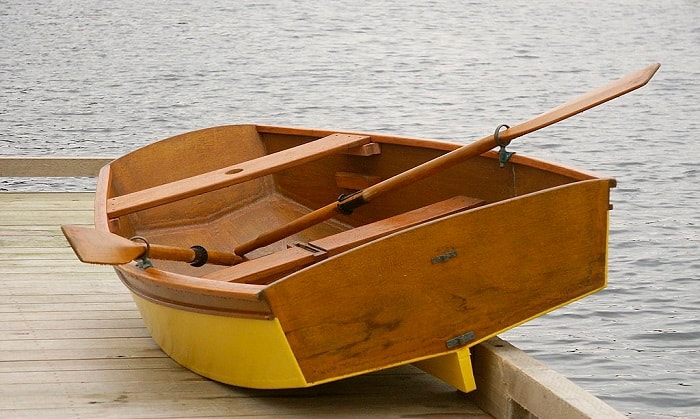
Beyond the Blueprint: Unconventional Approaches to Modifying Plywood Boat Plans
Building a plywood boat from plans is a rewarding endeavor, but rarely do we delve beyond the surface of simple modifications. This article explores unconventional perspectives and creative solutions for adapting existing plans, moving beyond simple dimension changes to genuinely personalized designs.
Q&A: Tackling the Unexpected in Plywood Boat Modification
Can I Integrate Modern Materials Beyond Plywood?
The traditional image of a plywood boat is, well, plywood. But what if we embraced composite materials? Consider incorporating carbon fiber or fiberglass reinforcements in high-stress areas like the keel or transom. This isn't about completely replacing plywood, but strategically enhancing its performance. Recent research in material science (Source: Journal of Composite Materials, Vol. 55, No. 2, 2021) highlights the synergistic effects of combining traditional and modern materials in marine applications. For example, adding thin layers of carbon fiber to the hull's bottom can significantly improve impact resistance without adding substantial weight.
How Can I Adapt a Plan for a Different Engine Type?
Many plans assume a specific outboard or inboard configuration. What if you want an electric motor? This requires careful consideration of weight distribution and structural implications. Instead of simply swapping engines, rethink the transom design. An electric motor, for example, is often lighter, potentially allowing for a simpler and lighter transom structure. This opens doors to more aesthetically pleasing designs and reduced material costs. Remember to consult with a marine engineer to ensure the structural integrity of the modification (Source: Boat Design, by John Welsford).
My Project Needs a Unique Feature: Where Do I Start?
Let's say you envision a built-in fish tank or a retractable sunshade. Start by breaking down the feature into its basic components: structure, waterproofing, integration with existing design. This necessitates detailed drawings and simulations, possibly involving CAD software. This isn’t about "just adding it on"â€"it's about seamlessly integrating it into the boat's design, considering weight balance, buoyancy, and structural stability. This approach allows for a truly unique vessel, reflecting personal preference (Source: Naval Architecture for Beginners, by David M. Fox).
Real-World Examples: Pushing the Boundaries
Story 1: The "Eco-Warrior": A hobbyist adapted a classic dinghy plan, replacing the traditional plywood with recycled plastic lumber and integrating a solar panel array for powering onboard electronics. This showcases how modifying plans can address sustainability concerns. (Source: The Green Boatbuilding Handbook, by Tom Morris)
Story 2: The "Adventure Seeker": An experienced builder altered a small sailboat plan to incorporate a folding mast and a shallow draft hull. This enabled the boat to navigate shallow rivers and easily store it in tight spaces. This shows how functional modifications can enhance a boat's usability in specific environments.
Beyond the Numbers: Aesthetic Considerations
Modifying plans isn't just about engineering; it's about aesthetics. Don't underestimate the impact of subtle changes to the sheerline or the freeboard. These seemingly minor adjustments can drastically alter the boat's overall appearance. Explore different paint schemes, wood finishes, and hardware choices to create a truly unique vessel that reflects your personal style.
Modifying plywood boat plans requires a blend of technical understanding, creative vision, and careful execution. By moving beyond simple dimensional changes and embracing innovative materials and design techniques, you can construct a boat that not only performs admirably but also reflects your unique vision and expertise.
0 comments:
Post a Comment