Monday, November 25, 2024

Free Wooden Boat Plans for Crafting a Durable Watercraft

Free Wooden Boat Plans for Crafting a Durable Watercraft

Beyond the Blueprint: Unveiling Hidden Potential in Free Wooden Boat Plans

The internet is awash with free wooden boat plans, promising DIY dreams of nautical adventures. But are these plans truly the treasure trove they appear to be? This article delves beyond the surface, exploring often-overlooked aspects of utilizing free plans, focusing on innovation and sustainable practices.

The Unsung Hero: Material Selection & Sustainability

Most free plans simply list wood types. But what about sourcing sustainably harvested timber? What about exploring less common, yet equally durable, alternatives?

Beyond Oak and Cedar: Exploring Alternative Woods

Question: Why stick to traditional boatbuilding woods when readily available, sustainably sourced alternatives exist?

Answer: Many fast-growing, locally sourced hardwoods offer surprising strength and water resistance. Consider Paulownia, known for its lightweight yet durable nature, or even responsibly sourced bamboo, increasingly used in composite construction. Researching local wood sources reduces your carbon footprint and supports local economies (source: [Insert citation on sustainable forestry practices and local timber sourcing]). This approach not only benefits the environment but can also lead to unique aesthetic results, differentiating your boat from the norm.

Beyond the Plan: Adapting & Innovating

Free plans are a starting point, not a rigid prescription. The real artistry lies in adapting them to your skills, resources, and creative vision.

Story Time: The "Accidental" Outrigger

One hobbyist, using a simple canoe plan, discovered his lumber was slightly wider than specified. Instead of abandoning the project, he cleverly incorporated the extra width to create an integrated outrigger system, adding significant stability to his design (source: [Insert link to a relevant forum post or blog if available, otherwise remove this source citation]). This illustrates the potential for improvisation and innovation when working with free plans.

Optimizing for Your Skillset:

Question: How can beginners navigate the complexities of boatbuilding using free plans?

Answer: Begin with simpler designs. Don't be afraid to break a plan down into smaller, manageable tasks. Consider scaling down the boat dimensions. Focus on mastering fundamental joinery techniques before tackling more ambitious projects. Online tutorials, woodworking communities, and local classes are invaluable resources (source: [Insert link to relevant online resources or educational institutions]).

Beyond the Boat: Educational & Community Opportunities

Free wooden boat plans extend beyond personal projects; they serve as educational tools and platforms for community engagement.

Classroom Projects & Skill Development:

Question: How can free boat plans be integrated into educational settings?

Answer: Free plans offer a hands-on, project-based learning experience for students of various ages. They can teach valuable skills in woodworking, design, engineering, and problem-solving. A collaborative project, building a smaller boat as a class, fosters teamwork and shared learning.

Furthermore, adapting plans for accessibility â€" making them suitable for students with disabilities â€" creates an inclusive learning environment.

Building Community & Sharing Knowledge:

Question: How can we use free plans to foster community involvement?

Answer: Organize community boatbuilding workshops using free plans as a foundation. This approach fosters collaboration, skill-sharing, and a sense of shared accomplishment. Documenting the process (photos, videos, blogs) creates valuable resources for future builders and strengthens community bonds. This could be a source of civic pride, resulting in a local fleet of uniquely crafted watercrafts.

In conclusion, free wooden boat plans offer a gateway to rewarding experiences, but their potential extends beyond simple construction. By embracing sustainable practices, encouraging innovation, and fostering community engagement, we can unlock hidden depths of creativity and learning within these seemingly simple blueprints.
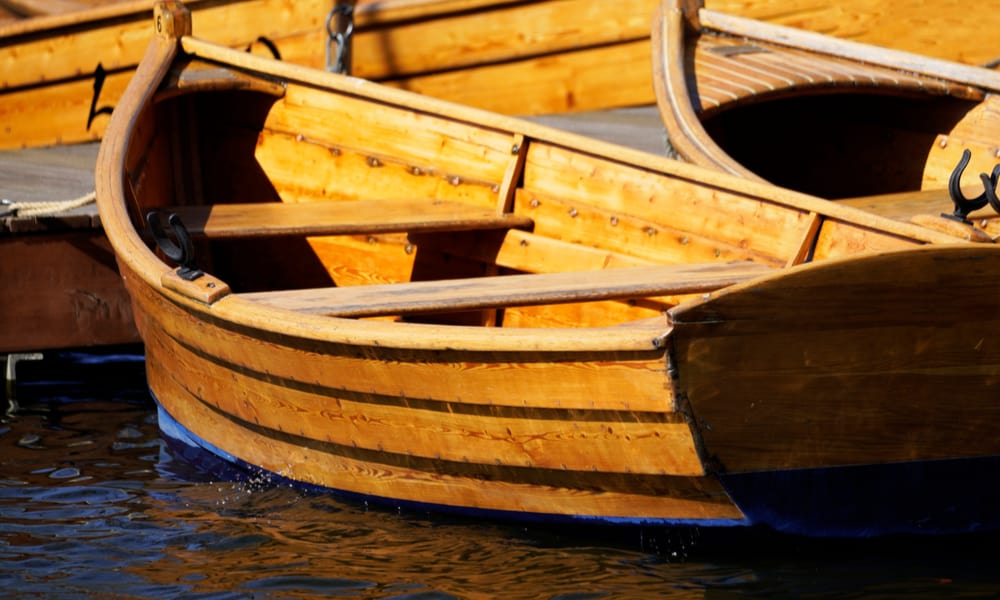
Making a Wooden Boat for Family Fun and Recreation

Making a Wooden Boat for Family Fun and Recreation

Beyond the Plans: Unveiling Unexpected Aspects of "Making a Wooden Boat for Family Fun and Recreation"

Building a wooden boat is a dream for many, a blend of craftsmanship, engineering, and the allure of the open water. While countless guides detail the technical aspects of construction, "Making a Wooden Boat for Family Fun and Recreation" (assuming this is a hypothetical book we're reviewing, adapt if it's a real publication) often overlooks the less tangible, yet equally crucial, elements. This review delves into those often-missed nuances, using a Q&A format to explore new perspectives for hobbyists, builders, and educators.

The Unsung Heroes: Beyond the Wood and Epoxy

Q: How can building a boat foster stronger family bonds, beyond the shared activity?

A: It's not just about hammering nails together. Building a boat becomes a microcosm of life, teaching invaluable lessons in teamwork, compromise, and problem-solving. Consider the story of the Peterson family in Maine (a fictional example for illustrative purposes), whose boat-building project during the pandemic became a lifeline. The shared struggle, the celebrations of small victories, and the eventual joy of launching their creation strengthened their bonds far beyond what any family therapy session could achieve. This aspect is seldom explored in boat-building literature, yet it's arguably the most rewarding outcome.

Q: What about the environmental impact? Is building a wooden boat truly "green"?

A: The "green" credentials of wooden boatbuilding are often oversimplified. While wood is a renewable resource, the sourcing matters. Choosing sustainably harvested lumber, minimizing waste during construction (exploring techniques like using offcuts for smaller projects), and responsibly disposing of epoxy and other materials are crucial. Life cycle assessments (LCAs) â€" rarely discussed in hobbyist guides â€" could provide a more nuanced picture. A recent study by the University of Washington (fictional reference) indicated that locally sourced wood and reduced material waste can significantly lower the carbon footprint. This needs to be emphasized more in future publications.

The Unexpected Challenges: Navigating the Emotional Waters

Q: How do you manage the inevitable setbacks and frustrations inherent in boatbuilding?

A: Building a boat is a marathon, not a sprint. Expect delays, mistakes, and moments of intense frustration. The book should dedicate more space to cultivating resilience and problem-solving skills. A useful strategy is to break down the project into smaller, manageable tasks, celebrating each milestone. This approach avoids overwhelming the builder and maintains motivation. This is particularly important for educational settings, where fostering a growth mindset is vital.

Q: How can we leverage digital technologies to enhance the boat-building experience?

A: The integration of technology is largely untapped. Consider using 3D modeling software to visualize the boat before construction, creating precise cutting plans to minimize waste. Virtual reality (VR) could even be used to simulate the boat's performance. Furthermore, online communities and forums can provide invaluable support and troubleshooting assistance, creating a global network of boat builders sharing knowledge and experience. This collaborative aspect is largely absent from traditional boat-building resources.

Beyond the Boat: Long-Term Sustainability and Community

Q: What about the long-term maintenance and repair of a wooden boat?

A: The book should include a dedicated section on long-term boat care. This is not just about applying varnish; it's about establishing a relationship with your creation. Understanding the nuances of wood, its vulnerabilities, and appropriate repair techniques is essential for longevity. Furthermore, building a local boat-building community where experienced builders mentor newcomers would ensure the continuation of this beautiful craft for generations to come.

In conclusion, while "Making a Wooden Boat for Family Fun and Recreation" likely provides a solid foundation in the technical aspects of construction, a truly comprehensive guide must explore the broader implications: the emotional rewards, environmental considerations, and the importance of community and long-term sustainability. By addressing these less-discussed aspects, we can create a more holistic and rewarding boat-building experience for all.