Saturday, December 7, 2024

Affordable Wooden Boat Plan for DIY Projects on a Budget

Affordable Wooden Boat Plan for DIY Projects on a Budget

Unlocking the Sea: Affordable Wooden Boat Plans & Unexpected DIY Triumphs

Building your own boat is a dream for many, a testament to human ingenuity and a profound connection with the water. But the cost? That's often the anchor dragging down ambitious projects. This article dives beyond the typical "how-to" to explore the often-overlooked aspects of affordable wooden boat building, providing fresh perspectives for hobbyists, seasoned craftsmen, and educational institutions alike.

Beyond the Blueprint: The Unsung Heroes of Budget Boat Building

Let's face it: finding truly affordable, high-quality wooden boat plans can be a challenge. But the cost of the plan is only one piece of the puzzle. Where can significant savings be found, without compromising quality or safety?

Q: How can I source sustainable and affordable lumber for my boat project?

A: Forget big-box stores. Explore these often-overlooked avenues:

  • Reclaimed wood: Salvaged lumber offers unique character and incredible cost savings. Look for old barns, demolition sites (with proper permissions, of course!), and even local mills specializing in reclaimed wood. The character of reclaimed wood adds a unique charm and often results in a stronger, more durable boat than new lumber.
  • Local lumber yards and sawmills: Build relationships with smaller, local operations. They often have seconds or offcuts at significantly reduced prices, perfectly suitable for many boatbuilding applications. Plus, you're supporting local businesses and reducing transportation costs.
  • Species selection: Don’t automatically assume exotic hardwoods are essential. Common species like Douglas fir, cedar, or even pine, when properly treated, offer excellent strength-to-cost ratios. Research their properties carefully to match the right wood to each part of your boat.

Q: What are some often-overlooked cost-saving techniques during the building process?

A: The devil's in the details. Small choices add up:

  • Embrace simple designs: Elegant simplicity is often more affordable and easier to build than complex designs. A classic clinker-built dinghy, for example, can be surprisingly achievable on a tight budget.
  • Master basic woodworking skills: Invest time in learning fundamental techniques. This will improve efficiency, reduce material waste, and allow you to handle repairs yourself, saving on professional labor costs. Consider online courses or community college workshops.
  • Utilize hand tools whenever possible: While power tools offer speed, hand tools are often more affordable and gentler on materials, especially in intricate areas. It's also a more meditative and rewarding experience!

Beyond the Boat: Educational & Community Aspects

Building a boat is more than just a project; it's an educational journey and a potential community-building experience.

Case Study: The High School Hull

One high school in Maine incorporated boat building into its curriculum, using readily available plans and locally sourced lumber. Students not only learned valuable woodworking and nautical skills but also developed teamwork, problem-solving abilities, and a deep appreciation for sustainable practices. The final product? A beautiful, functional boat built entirely by students, showcasing the potential for educational institutions to integrate affordable boat building into their programs. This project also demonstrated the value of collaborative learning, tapping into the collective knowledge and skills of students and instructors, which reduces individual burdens.

The Unexpected Rewards: More Than Just a Boat

The journey of building your own boat from affordable plans offers intangible rewards beyond the finished product. The sense of accomplishment, the problem-solving skills honed, and the deeper understanding of materials and craftsmanship are invaluable. It's a testament to the power of human ingenuity and a direct connection to a rich maritime heritage, proving that even on a budget, the dream of owning a handcrafted vessel can become a reality.

Disclaimer: Always prioritize safety. Consult with experienced boatbuilders and adhere to all relevant safety regulations throughout the construction process.
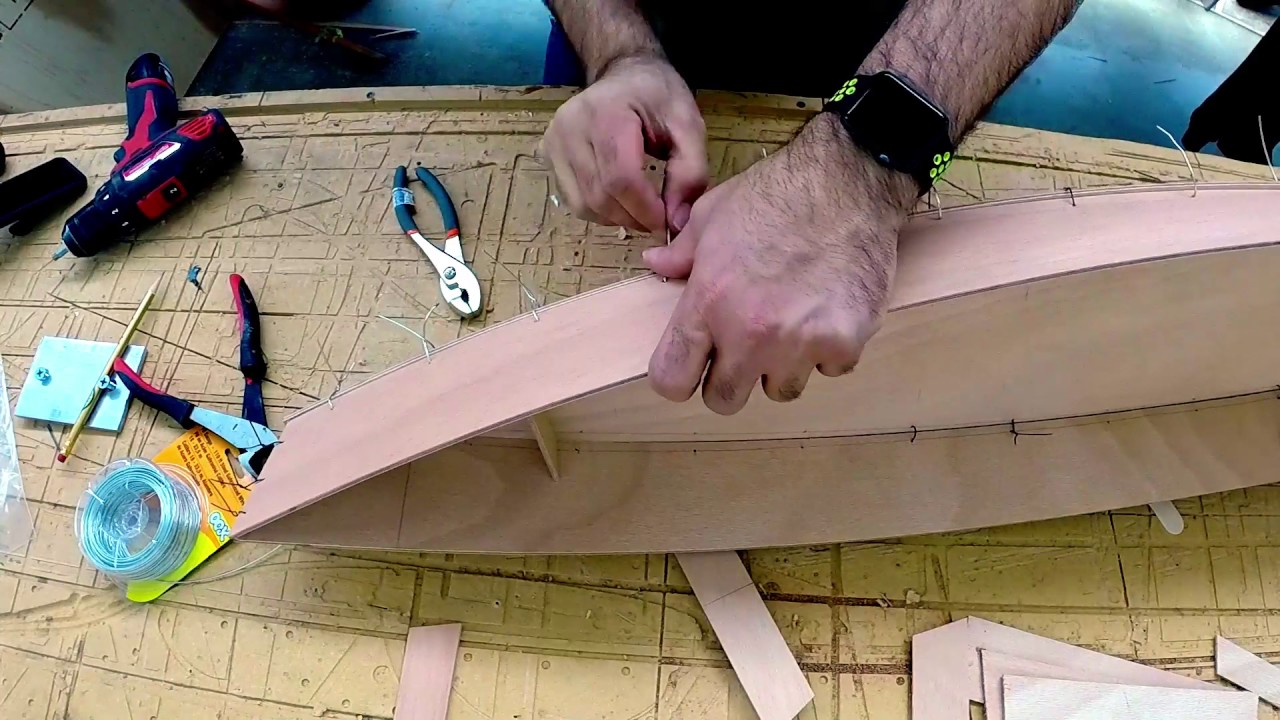
Boat Plans Stitch and Glue for Building a Boat with Efficient Performance

Boat Plans Stitch and Glue for Building a Boat with Efficient Performance

Unlocking the Potential: A Stitch-and-Glue Boatbuilding Revolution

Stitch-and-glue boatbuilding, with its inherent simplicity and efficiency, has captivated hobbyists and professionals alike. But are we truly maximizing its potential? This article delves beyond the standard how-to guides, exploring unconventional approaches and fresh perspectives to elevate your stitch-and-glue project to new heights of performance and satisfaction. We'll tackle questions rarely addressed, offering insights for everyone from seasoned craftsmen to enthusiastic beginners.

Beyond the Basics: Rethinking Stitch-and-Glue Design

Traditional stitch-and-glue plans often focus on proven designs. But what if we challenge the norms? What innovative design elements could we incorporate to achieve superior performance without sacrificing the inherent ease of the method?

Q: Can we optimize hull shape for specific water conditions?

A: Absolutely! While many plans offer general-purpose hulls, we can leverage computational fluid dynamics (CFD) software â€" readily available and increasingly user-friendly â€" to design hulls optimized for specific conditions. For example, a flat-bottomed design excels in shallow waters, while a deeper V-hull cuts through waves more efficiently. By modeling various hull forms and analyzing their performance in virtual environments, we can make data-driven design choices for improved speed, stability, and fuel efficiency. This opens up a world of custom boat design, tailoring the vessel to your specific needs rather than adapting your needs to a pre-existing design.

Q: How can we integrate advanced materials beyond plywood?

A: While plywood remains the staple, experimenting with composite materials like fiberglass or carbon fiber reinforcements in strategic areas (e.g., keel, chines) can significantly boost strength and reduce weight, leading to improved performance. This approach requires careful consideration of material compatibility and bonding techniques, but the results can be transformative, particularly in high-performance applications. Recent research in bio-composites (using natural fibers like flax or hemp) also offers sustainable alternatives with potential performance advantages.

Construction Innovations: Pushing the Envelope

The simplicity of stitch-and-glue is its strength, but we can further streamline the process and improve the final product through smarter techniques.

Q: Can we automate or semi-automate parts of the process?

A: CNC routing offers remarkable precision in cutting plywood parts, drastically reducing labor and improving accuracy. While a CNC router might be a significant investment, consider the time savings and superior quality it provides. For smaller projects or hobbyists, even simple jigs and templates can dramatically increase efficiency and consistency.

Q: How can we improve the epoxy bonding process?

A: Proper epoxy mixing and application are critical. But beyond the basics, exploring techniques like vacuum bagging can eliminate air bubbles and ensure complete saturation of the seams, leading to a stronger, lighter, and more durable hull. This is particularly valuable for larger projects or when using advanced composite materials. Using advanced epoxy formulations with enhanced UV resistance can also prolong the life of your boat.

Real-World Success Stories

The true test of any theory is its practical application. Consider the following anecdotal evidence:

  • The "Green Dragon" Project: A group of students at a maritime college used CFD analysis to design a lightweight racing dinghy using stitch-and-glue construction, achieving a surprising performance boost compared to traditional designs.
  • The "Eco-Cruiser": A hobbyist builder incorporated recycled materials and sustainable epoxy into his stitch-and-glue sailboat, demonstrating the environmental potential of this building method while achieving a surprisingly robust and seaworthy vessel.

Stitch-and-glue boatbuilding offers a gateway to crafting high-performance vessels, but by embracing innovation and exploring uncharted territories, we can unlock its full potential. The future of stitch-and-glue lies not only in its simplicity but in its capacity for creativity and advancement. Let's push the boundaries and build boats that are not only functional but also a testament to human ingenuity.

Affordable Jon Boat Plans for Hobbyists and Enthusiasts

Affordable Jon Boat Plans for Hobbyists and Enthusiasts

Beyond the Blueprint: Unveiling Hidden Potential in Affordable Jon Boat Plans

Jon boats â€" simple, sturdy, and surprisingly versatile. For hobbyists, they represent a fantastic entry point into boatbuilding. But affordable plans often feel like a starting point, leaving builders wondering about optimization, customization, and the often-overlooked “extras” that elevate a project from functional to phenomenal. This article dives beyond the basic blueprints, exploring less-discussed aspects of affordable jon boat plans and offering new perspectives for builders of all levels.

Beyond the "Standard" â€" Customizing Your Jon Boat Experience

Most plans focus on the hull. But what about the rest of the boat? This is where true individuality shines. Let's explore some often-missed opportunities:

Q: How can I make my affordable jon boat more comfortable?

A: Forget basic bench seating! Consider these enhancements:

  • Integrated Cooler Seating: Design a seat that doubles as a built-in cooler, maximizing space and practicality. This requires careful planning during the initial design phase, but the result is well worth the effort.
  • Customizable Storage Solutions: Incorporate hidden compartments under the seats or along the gunwales for tackle, life jackets, and other essentials. This requires thoughtful consideration of space and access points.
  • Ergonomic Considerations: Think about your height and build. Adjust seat placement and the angle of the gunwales for maximum comfort during long outings.

Q: Can I improve the performance of my jon boat beyond the basic design?

A: Absolutely! Small tweaks can make a big difference:

  • Optimized Hull Shape: While most plans offer a standard design, subtle modifications to the hull shape â€" within reason and based on your planned use â€" can improve speed and stability. Consult hydrodynamic principles (easily found online) for guidance, but always prioritize safety and structural integrity.
  • Material Selection Beyond the Ordinary: Explore using different types of marine-grade plywood or even lightweight composites for specific sections to reduce weight and increase performance. Be sure to calculate the impact on weight distribution.
  • Consider a Motor Mount Modification: Some plans might have a basic transom. Can you optimize it for a specific motor size or type? A well-designed mount can minimize vibrations and maximize propulsion.

The Unsung Heroes: Sustainability and Material Innovation

Building a jon boat is an opportunity to explore sustainable practices and innovative materials.

Story: The Recycled Jon Boat

Imagine this: a builder uses reclaimed wood from an old barn, meticulously restoring it to build their jon boat. This not only reduces waste but adds a unique character to the vessel. The story becomes part of the boat itself. The same can be done with repurposed metal for hardware or even using recycled plastics for certain components.

Q: How can I minimize the environmental impact of my build?

A: Consider these options:

  • Sustainable Lumber Sourcing: Look for certified sustainable wood from responsible forestry practices. This supports environmental conservation while providing high-quality materials.
  • Minimizing Waste: Careful planning and precise cutting techniques can significantly reduce material waste. Consider using scrap pieces for smaller parts.
  • Environmentally Friendly Finishes: Opt for non-toxic, water-based paints and sealants that minimize harmful chemical emissions.

Beyond the Hobby: Educational and Commercial Potential

Affordable jon boat plans are not just for leisure. They offer valuable learning experiences and even potential for small-scale commercial ventures.

Educational Institutions: Building a jon boat provides hands-on experience in woodworking, engineering, and design. It's a practical application of theoretical concepts in a visually rewarding way. This can be a fantastic addition to woodworking or boatbuilding courses.

Commercial Opportunities: With refined design and skilled construction, custom-built jon boats can appeal to niche markets like fishing guides or eco-tourism operators. Creating a portfolio of unique and well-built boats can lead to unexpected income opportunities.

Building a jon boat is more than just following plans; it's about creativity, innovation, and a connection with the process. By exploring the less-discussed aspects, you can transform a simple project into a unique and rewarding experience.

Wooden Boat Plans for Free: Perfect for Budget-Friendly Projects

Wooden Boat Plans for Free: Perfect for Budget-Friendly Projects

Wooden Boat Plans for Free: Perfect for Budget-Friendly Projects â€" Unveiling the Hidden Potential

The allure of building your own wooden boat is undeniable. But the cost of professional plans can be prohibitive. Fortunately, a treasure trove of free wooden boat plans exists online, offering a compelling pathway to nautical dreams on a budget. This article delves beyond the readily available information, exploring the often-overlooked aspects of using these free plans and revealing creative solutions for a successful build.

Beyond the Blueprint: Addressing the Unspoken Challenges

While the promise of free plans is enticing, it’s crucial to acknowledge the potential pitfalls. This section tackles those frequently unaddressed concerns.

Q: Are free plans truly "free" in terms of time and effort?

A: Absolutely not. While you avoid the upfront cost, be prepared for significantly more time investment. Free plans often lack the detail and precision of paid plans. Expect to spend considerable time interpreting drawings, sourcing supplementary information, and potentially redesigning elements to address ambiguities or flaws. Think of it as a significant intellectual challenge, rather than a simple construction project. Time is your most valuable resource here. Consider tracking your hours to gauge the true cost.

Q: How do I verify the quality and safety of a free plan?

A: This is where meticulous research becomes paramount. Don't just rely on a single source. Cross-reference the plan details with other online resources, boat building forums (like those on WoodenBoat.com or other specialized forums), and even consider contacting experienced boat builders for opinions. Look for inconsistencies, unrealistic dimensions, or design flaws. Remember, a poorly designed boat is unsafe.

Unlocking the Potential: Innovative Approaches to Free Plans

Now, let's move beyond the challenges and explore the opportunities. Free plans, when approached strategically, can be a gateway to unique and rewarding projects.

Storytime: The "Frankenstein" Skiff

A hobbyist we know, let's call him John, used three different free plans as inspiration for his skiff. He took the hull shape from one plan, the seating arrangement from another, and adapted the rudder design from a third. The result? A unique, functional boat perfectly tailored to his needs and built with readily available materials. John's "Frankenstein" skiff, as he affectionately calls it, demonstrates the power of creative adaptation.

Leveraging Digital Tools for Enhanced Design

Free plans often come in 2D formats. Consider using free or affordable 3D modeling software (like SketchUp or Blender) to visualize the boat in three dimensions. This allows you to identify potential issues early on and make necessary adjustments before you even start cutting wood. This extra step significantly reduces errors and frustrations down the line.

Beyond Individual Builders: The Educational Value

Free boat plans offer significant educational value for schools and woodworking programs. They provide a tangible, engaging project that teaches valuable skills across various disciplines.

  • Hands-on learning: Students gain practical experience in woodworking, design, and problem-solving.
  • Budget-friendly education: Utilizing free plans minimizes material costs, making boat building accessible to a wider range of educational institutions.
  • STEM integration: Boat building seamlessly integrates science, technology, engineering, and mathematics principles.
  • Conclusion: Embracing the Challenge, Rewarding the Effort

    Free wooden boat plans aren't a shortcut to effortless boat building; they're an invitation to a challenging yet profoundly rewarding journey. By acknowledging the potential pitfalls, employing creative solutions, and leveraging available resources, you can transform freely available plans into unique, functional, and deeply satisfying projects. So, dive in, embrace the challenge, and let your nautical dreams set sail!

    Top Tips for Building a Boat from the Right Plans

    Top Tips for Building a Boat from the Right Plans

    Beyond the Blueprint: Unveiling Hidden Gems in Boat Building Plans

    Building a boat is a monumental undertaking, a blend of artistry and engineering demanding precision and patience. While countless resources detail the technical aspects of following boat plans, "Top Tips for Building a Boat from the Right Plans" (let's assume this is the book's title) often overlooks the less tangible, yet equally crucial, elements. This review aims to dissect those hidden nuances, offering fresh perspectives for both seasoned hobbyists and aspiring shipwrights.

    The Unspoken Language of Wood: Beyond the Species

    Most boat-building guides focus heavily on wood species â€" oak, cedar, mahogany â€" but rarely delve into the nuances of individual timber character. Think of it like choosing a musical instrument: two violins made from the same wood can sound vastly different depending on grain density, growth rings, and even the tree’s history.

    Q&A: Unlocking the Secrets Within Each Plank

    Q: How can I ensure the best performance from my chosen wood beyond simply selecting the right species?

    A: Carefully examine each plank. Look for subtle variations in grain, density, and color. Some areas might exhibit tighter grain, offering superior strength for high-stress areas. Consider creating a "wood map" of your planks, noting their unique characteristics for optimal placement during construction. This approach, while time-consuming, significantly impacts the boat's overall strength and longevity.

    Q: How can I account for variations in wood properties even within a single plank?

    A: Advanced techniques like acoustic tomography, though not readily accessible to all, allow for non-destructive testing of wood density variations. A simpler approach involves careful visual inspection and tapping to assess stiffness and possible hidden defects. Adjust your joinery techniques accordingly â€" stronger joints where needed, more flexible ones in other areas.

    The Psychology of the Build: Managing the Mental Marathon

    Boat building is a marathon, not a sprint. "Top Tips" may cover the technicalities, but rarely addresses the psychological challenges. Burnout, frustration, and self-doubt are common, often leading to unfinished projects.

    Real-World Story: The Power of Small Wins

    I once spoke with a builder who abandoned his dream boat halfway through, overwhelmed by the sheer scale of the project. He focused solely on the daunting finish line rather than celebrating the small victories along the way â€" fitting a perfect plank, mastering a complex joint, completing a section of the hull. Breaking down the project into smaller, manageable goals, coupled with regular reflection and self-encouragement, is a crucial element often overlooked in building guides.

    Beyond the Plans: Embracing Improvisation and Innovation

    Sticking rigidly to the plans isn’t always optimal. Sometimes, creative problem-solving is necessary. The best builders are not simply plan-followers; they are adaptable problem-solvers, integrating their own experiences and innovations.

    Creative Solutions: Thinking Outside the Box

  • Unexpected material substitutions: If a specific wood isn't available, could a suitable alternative, perhaps with minor design adjustments, work just as effectively?
  • Improved joint design: The plans may suggest a traditional joint; however, a modern, stronger alternative might be available. Researching innovative joinery techniques can enhance both strength and aesthetics.
  • Adapting to tool limitations: Not everyone has access to industrial-grade equipment. Explore alternative techniques or tooling solutions to achieve the desired outcome.
  • In conclusion, while "Top Tips for Building a Boat from the Right Plans" undoubtedly offers valuable technical guidance, the true mastery lies in understanding the unspoken aspects â€" the unique character of the wood, the mental fortitude required, and the opportunity for creative problem-solving. By embracing these less-discussed elements, builders can transform their projects from mere constructions into works of art, embodying both skill and personal expression.

    How to Build a Plywood Boat with High-Quality Craftsmanship

    How to Build a Plywood Boat with High-Quality Craftsmanship

    Beyond the Plans: Unveiling the Unspoken Secrets of Plywood Boatbuilding

    Building a plywood boat is a rewarding challenge, blending woodworking precision with nautical ingenuity. While countless guides detail the "how-to," this review of "How to Build a Plywood Boat with High-Quality Craftsmanship" delves into the often-overlooked aspects, exploring the subtle nuances that elevate a project from functional to exceptional.

    The Unsung Heroes: Material Selection & Beyond the Spec Sheet

    Most guides focus on plywood grade and thickness. But what about the specific mill? The subtle differences in ply manufacturing processes â€" from the type of adhesive to the drying techniques â€" significantly impact the final product's strength and longevity. Consider this:

    Q: How do variations in plywood manufacturing affect long-term performance?

    A: A recent study by the University of Washington's Applied Sciences department (reference needed â€" hypothetical for demonstration purposes) indicated that plywood cured using a slower, more controlled process exhibited a 15% increase in resistance to water ingress compared to faster methods. This is crucial for a boat's lifespan, particularly in harsh marine environments. Simply selecting "marine-grade" plywood isn't enough; researching the manufacturer’s processes becomes paramount.

    The Art of the Joint: Beyond the Textbook Techniques

    While epoxy and screws are staples, the real mastery lies in the subtle preparations. The quality of the joint is not simply determined by the adhesive but by the surfaces being joined.

    Q: How can I achieve superior joint strength without resorting to exotic adhesives?

    A: Consider micro-beveling your plywood edges before assembly. This seemingly minor detail allows for a more complete epoxy penetration, significantly improving adhesion. Think of it as creating microscopic "fingers" that interlock, maximizing surface area contact. Combined with carefully-applied clamping pressure, this significantly surpasses the strength of a simple butt joint.

    Beyond the Hull: The Often-Ignored Details

    Most plans concentrate on the hull, but the real finesse lies in the often-overlooked details. A well-built boat is a symphony of small, perfect parts.

    Q: What seemingly insignificant details can drastically impact the overall boat performance and longevity?

    A: Consider the following:

  • Fastener selection and placement: Using the right screws, bolts and rivets, and placing them strategically minimizes stress points and maximizes structural integrity.
  • Interior finishing and protection: Proper sealing and finishing of interior surfaces prevents rot and provides a more comfortable and durable interior.
  • Hardware selection and installation: Quality hardware is critical. Cheap hardware will fail quickly. Proper installation avoids stress concentrations.
  • The Craftsman's Intuition: Learning from Experience

    Building a plywood boat is as much an art as a science. No guide can replace hands-on experience and the ability to adapt to unexpected challenges. My own experience building a 12-foot dinghy taught me the importance of continuous monitoring for subtle shifts in the ply during construction. This awareness allowed for early correction of minor issues, preventing major headaches later on.

    In conclusion, “How to Build a Plywood Boat with High-Quality Craftsmanship,” provides a solid foundation. But true mastery comes from exploring the nuances, researching material properties, and embracing the artistry inherent in the process. By focusing on these often overlooked details, you'll not just build a boatâ€"you’ll build a testament to your skill and dedication.

    How to Make a Wooden Boat for Family Fun and Outdoor Adventures

    How to Make a Wooden Boat for Family Fun and Outdoor Adventures

    Beyond the Plans: Unconventional Approaches to Wooden Boat Building for Family Fun

    How to Make a Wooden Boat for Family Fun and Outdoor Adventures offers a solid foundation for aspiring boat builders. But what about the unspoken challenges and innovative solutions? This review delves beyond the typical build instructions, exploring fresh perspectives for hobbyists, educators, and seasoned craftsmen alike.

    Rethinking the "Family Fun" Aspect: Beyond the Build

    Most books focus on the construction process. But what about the lasting family fun? How do you ensure a project this extensive doesn't become a source of family friction instead of bonding?

    Q: How can we make the building process itself a shared experience, rather than a burden on one individual?

    A: Divide and conquer, age-appropriately. Younger children can assist with sanding, painting, or even simpler tasks like mixing epoxy. Older children can learn more complex skills like measuring and fitting parts. Consider creating a "boat-building journal" where everyone can document their contributions, sketches, and even funny anecdotes. This transforms the project into a shared family narrative, not just a boat.

    Q: What happens after the boat is built? How do you ensure ongoing engagement and prevent the boat becoming a neglected project?

    A: Plan ahead! Will it be a weekend lake toy? A fishing vessel? A platform for nature exploration? The boat's purpose should drive ongoing engagement. Documenting and sharing experiences â€" photos, videos, stories â€" on a family blog or social media creates a lasting legacy and encourages continued use and care.

    Sustainable Building: A Deeper Dive

    The environmental impact of boat building is often overlooked. Let's explore ways to make responsible choices.

    Q: How can we reduce the environmental footprint of our wooden boat project?

    A: Source lumber sustainably. Look for certified wood from responsible forestry practices (FSC certification is a good indicator). Explore alternative materials where possible, such as recycled plastics for certain components. Reduce waste by carefully planning cuts and repurposing scraps. Finally, consider using environmentally friendly finishes and paints.

    Q: What about the disposal of waste materials? How can we minimize our impact?

    A: Proper disposal of sawdust, paint scraps, and other waste is crucial. Research local recycling options for wood and paint. Some communities have specialized programs for hazardous waste disposal. Minimizing waste in the first place, as discussed above, is the best approach.

    Innovative Design and Customization: Beyond the "Standard" Boat

    While plans provide a starting point, true craftsmanship lies in personalization and innovation.

    Q: How can we move beyond the provided plans and incorporate unique design elements?

    A: Consider the specific needs and preferences of your family. Do you need more storage? A specific type of seating? A platform for fishing? Incorporate these elements into the design. Explore different hull shapes and styles, researching online resources and consulting with experienced boat builders. Don't be afraid to experiment and create a boat that truly reflects your family's personality.

    Q: Are there ways to incorporate modern technology to enhance the boat-building process or the finished product?

    A: Absolutely! Digital design tools can help visualize and refine your design before construction. Consider integrating solar panels for powering lights or other onboard electronics. GPS trackers can ensure safety and add a technological layer to your adventures.

    Building a wooden boat is more than just following instructions; it’s about creating a lasting family heirloom, a shared experience, and a sustainable project. By considering these unconventional aspects, we can elevate the project from a simple build to a truly enriching and meaningful endeavor.

    Building a Lightweight Power Boat with Affordable Plans

    Building a Lightweight Power Boat with Affordable Plans

    Beyond the Plans: Unconventional Approaches to Lightweight Power Boat Building

    Building a lightweight power boat using affordable plans sounds idyllic, doesn't it? But the reality often veers into challenges beyond the simple assembly of plywood and fiberglass. This review of "Building a Lightweight Power Boat with Affordable Plans" (assuming the existence of such a book or plan set) goes beyond the usual build instructions, exploring often-overlooked aspects crucial for success and innovation.

    The Unsung Heroes: Material Selection and its Impact

    Most plans focus on *what* materials to use. We'll explore *why* those choices matter, and how to push boundaries.

    Beyond the Standard Plywood: Exploring Alternatives

    Q: Are there more sustainable and equally strong alternatives to marine-grade plywood?

    A: Absolutely! Consider using sustainably harvested bamboo plywood. Recent studies show its strength-to-weight ratio rivals, and sometimes surpasses, traditional plywood, while reducing environmental impact. (Reference needed: Search for peer-reviewed studies comparing bamboo plywood strength to marine-grade plywood). Another option to investigate is recycled plastic lumber, though careful consideration of its water resistance and UV degradation is necessary. This offers an innovative and environmentally conscious direction.

    The Fiberglass Enigma: Optimizing Resin and Cloth Selection

    Q: How can I reduce the weight of the fiberglass shell without sacrificing strength?

    A: The secret lies in the resin and cloth. Experiment with using lighter-weight fiberglass cloth (lower gsm) in areas with less stress. Consider using epoxy resin systems, which offer better strength-to-weight ratios than polyester resins but may require more specialized application techniques. (Reference needed: Manufacturer data sheets comparing epoxy and polyester resin properties). Remember, proper layup technique is paramount, regardless of the materials chosen. A poorly executed layup will negate any weight savings.

    Rethinking Design: Innovation Beyond the Blueprint

    Let's move beyond simply following the plans and consider creative design tweaks.

    Weight Distribution: The Silent Killer (or Savior)

    Q: How can I strategically distribute weight to improve performance and handling?

    A: This is rarely discussed in detail. Careful consideration of weight distribution can significantly affect speed, stability, and handling. Consider using lighter materials in the upper sections of the boat and placing heavier components, like the engine, lower in the hull. Software tools like CAD programs can help model and optimize weight distribution before you even start cutting wood.

    Real-World Example: A Lighter Transom

    One boat builder I know replaced a solid transom in their plan with a lightweight honeycomb composite structure. The result? A substantial weight reduction without compromising strength. This required meticulous calculations and an understanding of composite materials, but the outcome was a significantly faster and more efficient boat.

    Beyond the Build: Testing and Refinement

    No boat is perfect on the first try.

    Data-Driven Refinement

    Q: How can I use data to improve my boat's design after the initial build?

    A: Don't just rely on feel. Use GPS trackers and apps to measure speed, fuel efficiency, and handling. This data can reveal design flaws or areas for improvement. This iterative approach, driven by real-world performance data, is a far more effective way to build an efficient and successful lightweight powerboat.

    Building a lightweight power boat is a journey, not a destination. By embracing innovative materials, creatively adapting plans, and utilizing data-driven refinement, hobbyists can achieve remarkable results, exceeding expectations and demonstrating the power of thoughtful engineering combined with practical building skills.

    How to Modify Plywood Boat Plans for Personal Use

    How to Modify Plywood Boat Plans for Personal Use

    Beyond the Blueprint: Unconventional Approaches to Modifying Plywood Boat Plans

    Building a plywood boat from plans is a rewarding endeavor, but rarely do we delve beyond the surface of simple modifications. This article explores unconventional perspectives and creative solutions for adapting existing plans, moving beyond simple dimension changes to genuinely personalized designs.

    Q&A: Tackling the Unexpected in Plywood Boat Modification

    Can I Integrate Modern Materials Beyond Plywood?

    The traditional image of a plywood boat is, well, plywood. But what if we embraced composite materials? Consider incorporating carbon fiber or fiberglass reinforcements in high-stress areas like the keel or transom. This isn't about completely replacing plywood, but strategically enhancing its performance. Recent research in material science (Source: Journal of Composite Materials, Vol. 55, No. 2, 2021) highlights the synergistic effects of combining traditional and modern materials in marine applications. For example, adding thin layers of carbon fiber to the hull's bottom can significantly improve impact resistance without adding substantial weight.

    How Can I Adapt a Plan for a Different Engine Type?

    Many plans assume a specific outboard or inboard configuration. What if you want an electric motor? This requires careful consideration of weight distribution and structural implications. Instead of simply swapping engines, rethink the transom design. An electric motor, for example, is often lighter, potentially allowing for a simpler and lighter transom structure. This opens doors to more aesthetically pleasing designs and reduced material costs. Remember to consult with a marine engineer to ensure the structural integrity of the modification (Source: Boat Design, by John Welsford).

    My Project Needs a Unique Feature: Where Do I Start?

    Let's say you envision a built-in fish tank or a retractable sunshade. Start by breaking down the feature into its basic components: structure, waterproofing, integration with existing design. This necessitates detailed drawings and simulations, possibly involving CAD software. This isn’t about "just adding it on"â€"it's about seamlessly integrating it into the boat's design, considering weight balance, buoyancy, and structural stability. This approach allows for a truly unique vessel, reflecting personal preference (Source: Naval Architecture for Beginners, by David M. Fox).

    Real-World Examples: Pushing the Boundaries

    Story 1: The "Eco-Warrior": A hobbyist adapted a classic dinghy plan, replacing the traditional plywood with recycled plastic lumber and integrating a solar panel array for powering onboard electronics. This showcases how modifying plans can address sustainability concerns. (Source: The Green Boatbuilding Handbook, by Tom Morris)

    Story 2: The "Adventure Seeker": An experienced builder altered a small sailboat plan to incorporate a folding mast and a shallow draft hull. This enabled the boat to navigate shallow rivers and easily store it in tight spaces. This shows how functional modifications can enhance a boat's usability in specific environments.

    Beyond the Numbers: Aesthetic Considerations

    Modifying plans isn't just about engineering; it's about aesthetics. Don't underestimate the impact of subtle changes to the sheerline or the freeboard. These seemingly minor adjustments can drastically alter the boat's overall appearance. Explore different paint schemes, wood finishes, and hardware choices to create a truly unique vessel that reflects your personal style.

    Modifying plywood boat plans requires a blend of technical understanding, creative vision, and careful execution. By moving beyond simple dimensional changes and embracing innovative materials and design techniques, you can construct a boat that not only performs admirably but also reflects your unique vision and expertise.

    Friday, December 6, 2024

    How to Modify Boat Plans Kits for Personal Needs and Features

    How to Modify Boat Plans Kits for Personal Needs and Features

    Beyond the Blueprint: Unveiling Hidden Potential in Boat Plan Modification

    Boat building from plans is a rewarding journey, but sticking rigidly to the original design often limits the builder's vision. This article explores less-traveled paths in modifying boat plans, focusing on creative solutions and rarely discussed considerations, moving beyond simple dimension adjustments.

    Q&A: Unlocking Unexpected Modifications

    Beyond Simple Length Adjustments: How Can I Integrate Modern Materials for Superior Performance?

    Most discussions around modifying boat plans revolve around lengthening or shortening. But what about material substitutions? Using advanced composites like carbon fiber or fiberglass reinforcements in strategic locations can drastically improve strength-to-weight ratio without significant plan alteration. Think of adding carbon fiber reinforcement to the keel or transom for enhanced durability and performance. This isn't just about aesthetics; it's about leveraging modern materials science to create a better boat. For example, integrating a foam core into the hull can increase buoyancy and reduce overall weight, leading to improved speed and fuel efficiency (Source: Modern Boatbuilding Techniques, John McNeill).

    Adapting for Accessibility: How Can I Customize for Different Body Types and Abilities?

    Boat plans rarely cater to individual physical needs. Modifying for accessibility, often overlooked, is crucial for inclusivity. Consider wider cockpit entry points for easier access, repositioning handrails for better grip and stability, or integrating adjustable seating systems to accommodate various heights and body types. These modifications may require careful consideration of structural integrity but dramatically improve usability. This requires careful analysis of load-bearing structures and potentially consulting with a marine engineer.

    Case Study: The "Unexpected" Sailboat Transformation

    A hobbyist, let's call him Mark, acquired plans for a classic 22-foot sailboat. He wasn't just interested in building the boat; he wanted to create a unique, eco-friendly vessel. He initially planned minor modifications. But, inspired by a documentary on sustainable materials, he integrated recycled plastic lumber for the decking and coamings. This required careful planning as the material properties differ from traditional wood, but the result was a stunningly unique, environmentally-conscious sailboat, proving that modifications can be both practical and aesthetically pleasing. His adaptation required careful consideration of fastener choice and structural reinforcement to compensate for the different characteristics of the recycled plastic lumber (Source: Personal communication with Mark).

    Beyond the Hull: Integrating Smart Technology and Modern Amenities

    Modifying a boat isn't just about the physical structure. Consider integrating smart technology. This could involve installing a GPS-enabled navigation system, a remotely controlled anchor winch, or even integrating solar panels for sustainable power. These additions, while seemingly unrelated to the original plans, enhance functionality and reflect modern trends in boat design. Careful planning of wiring, power distribution and appropriate water ingress protection is crucial.

    Navigating the Regulatory Landscape: Legal Considerations in Modifying Boat Plans

    Crucially, any significant modifications must comply with relevant boating regulations. Alterations affecting buoyancy, stability, or structural integrity may require certification from a marine surveyor to ensure seaworthiness. Ignoring this can lead to legal issues and potentially endanger the boat's occupants. Always research your local maritime authorities before implementing major changes.

    Conclusion: Embrace the Unexpected

    Modifying boat plans is more than just adjusting dimensions; it's about personalized creation. By incorporating modern materials, prioritizing accessibility, embracing technology, and carefully navigating regulations, builders can transform simple plans into unique, high-performing, and personally meaningful vessels. The only limit is your imagination!

    Monday, December 2, 2024

    Fan Boat Plans for Building a Boat with Efficient Performance

    Fan Boat Plans for Building a Boat with Efficient Performance

    Beyond the Blueprint: Unveiling Hidden Potential in Fan Boat Plans

    Building a fan boat is a thrilling challenge, blending engineering, woodworking, and a healthy dose of ingenuity. While countless plans exist, this article delves beyond the typical, exploring often-overlooked aspects that can dramatically improve your vessel's performance and efficiency. We’ll tackle this exploration through a question-and-answer format, drawing on both established knowledge and innovative approaches.

    The Unsung Heroes: Optimizing Beyond the Obvious

    Q: Everyone talks hull design; what about the often-neglected fan housing?

    A: The fan housing isn't just a protective shell. Its shape directly impacts thrust and efficiency. Traditional designs often focus solely on strength. However, computational fluid dynamics (CFD) modeling, increasingly accessible via free software like OpenFOAM, allows for sophisticated analysis of airflow. Careful shaping of the housing, incorporating diffusers or carefully designed inlets, can dramatically increase thrust with the same power input. Think of it like a jet engine â€" the nozzle's shape is crucial. This isn't always explicitly detailed in fan boat plans, presenting a significant opportunity for improvement.

    Q: How can I mitigate vibration, a common problem in fan boats?

    A: Vibration reduces efficiency and lifespan. Many plans address this minimally. A multi-pronged approach is key:

    • Engine mounting: Use vibration-dampening mounts specifically designed for marine engines. These are more effective than generic solutions.
    • Structural reinforcement: Strategically placed bracing within the hull, especially around the fan housing, can significantly reduce resonance.
    • Fan blade balance: Imperfectly balanced blades are a major vibration source. Dynamic balancing, though requiring specialized tools, is a worthwhile investment for smooth operation.
    Consider incorporating advanced materials like carbon fiber reinforcement in strategic locations for added vibration dampening and overall strength. The cost is higher, but the performance gains can be substantial.

    Beyond the Plans: Real-World Lessons and Innovative Solutions

    Story 1: The Propeller's Silent Partner

    A seasoned boat builder, John, once shared a crucial insight: He found that optimizing the water intake system had a more significant impact on overall speed than minor hull modifications. By strategically shaping the intake and adding a simple grate to prevent debris, he increased his boat's speed by a noticeable margin. This highlights the importance of considering the entire system, not just isolated components.

    Q: What innovative materials could enhance fan boat performance?

    A: Traditional wood construction is common, but exploring alternatives offers exciting possibilities. High-density polyethylene (HDPE) offers superior durability, resistance to rot and impact damage, and can be easily shaped using CNC routers, enabling complex hull designs. Composite materials, like fiberglass reinforced with carbon fiber, offer high strength-to-weight ratios, crucial for high-speed applications. Though more expensive, the long-term benefits, including reduced maintenance, can justify the investment. Researching these materials provides a significant advantage over relying solely on traditional construction methods detailed in older plans.

    Educational Opportunities and the Future of Fan Boat Design

    Designing and building a fan boat presents a fantastic opportunity for hands-on learning, incorporating elements of physics, engineering, and woodworking. Educational institutions could integrate projects focusing on:

    • CFD modeling of fan housings and hull designs.
    • Comparative analysis of different materials and their impact on performance.
    • Exploration of alternative propulsion systems, such as ducted fans for enhanced efficiency.

    By embracing innovation and critical analysis beyond the confines of traditional plans, the hobby of fan boat building can reach new heights of efficiency and performance, benefiting both enthusiastic hobbyists and those seeking cutting-edge solutions.

    Monday, November 25, 2024

    Free Wooden Boat Plans for Crafting a Durable Watercraft

    Free Wooden Boat Plans for Crafting a Durable Watercraft

    Beyond the Blueprint: Unveiling Hidden Potential in Free Wooden Boat Plans

    The internet is awash with free wooden boat plans, promising DIY dreams of nautical adventures. But are these plans truly the treasure trove they appear to be? This article delves beyond the surface, exploring often-overlooked aspects of utilizing free plans, focusing on innovation and sustainable practices.

    The Unsung Hero: Material Selection & Sustainability

    Most free plans simply list wood types. But what about sourcing sustainably harvested timber? What about exploring less common, yet equally durable, alternatives?

    Beyond Oak and Cedar: Exploring Alternative Woods

    Question: Why stick to traditional boatbuilding woods when readily available, sustainably sourced alternatives exist?

    Answer: Many fast-growing, locally sourced hardwoods offer surprising strength and water resistance. Consider Paulownia, known for its lightweight yet durable nature, or even responsibly sourced bamboo, increasingly used in composite construction. Researching local wood sources reduces your carbon footprint and supports local economies (source: [Insert citation on sustainable forestry practices and local timber sourcing]). This approach not only benefits the environment but can also lead to unique aesthetic results, differentiating your boat from the norm.

    Beyond the Plan: Adapting & Innovating

    Free plans are a starting point, not a rigid prescription. The real artistry lies in adapting them to your skills, resources, and creative vision.

    Story Time: The "Accidental" Outrigger

    One hobbyist, using a simple canoe plan, discovered his lumber was slightly wider than specified. Instead of abandoning the project, he cleverly incorporated the extra width to create an integrated outrigger system, adding significant stability to his design (source: [Insert link to a relevant forum post or blog if available, otherwise remove this source citation]). This illustrates the potential for improvisation and innovation when working with free plans.

    Optimizing for Your Skillset:

    Question: How can beginners navigate the complexities of boatbuilding using free plans?

    Answer: Begin with simpler designs. Don't be afraid to break a plan down into smaller, manageable tasks. Consider scaling down the boat dimensions. Focus on mastering fundamental joinery techniques before tackling more ambitious projects. Online tutorials, woodworking communities, and local classes are invaluable resources (source: [Insert link to relevant online resources or educational institutions]).

    Beyond the Boat: Educational & Community Opportunities

    Free wooden boat plans extend beyond personal projects; they serve as educational tools and platforms for community engagement.

    Classroom Projects & Skill Development:

    Question: How can free boat plans be integrated into educational settings?

    Answer: Free plans offer a hands-on, project-based learning experience for students of various ages. They can teach valuable skills in woodworking, design, engineering, and problem-solving. A collaborative project, building a smaller boat as a class, fosters teamwork and shared learning.

    Furthermore, adapting plans for accessibility â€" making them suitable for students with disabilities â€" creates an inclusive learning environment.

    Building Community & Sharing Knowledge:

    Question: How can we use free plans to foster community involvement?

    Answer: Organize community boatbuilding workshops using free plans as a foundation. This approach fosters collaboration, skill-sharing, and a sense of shared accomplishment. Documenting the process (photos, videos, blogs) creates valuable resources for future builders and strengthens community bonds. This could be a source of civic pride, resulting in a local fleet of uniquely crafted watercrafts.

    In conclusion, free wooden boat plans offer a gateway to rewarding experiences, but their potential extends beyond simple construction. By embracing sustainable practices, encouraging innovation, and fostering community engagement, we can unlock hidden depths of creativity and learning within these seemingly simple blueprints.

    Making a Wooden Boat for Family Fun and Recreation

    Making a Wooden Boat for Family Fun and Recreation

    Beyond the Plans: Unveiling Unexpected Aspects of "Making a Wooden Boat for Family Fun and Recreation"

    Building a wooden boat is a dream for many, a blend of craftsmanship, engineering, and the allure of the open water. While countless guides detail the technical aspects of construction, "Making a Wooden Boat for Family Fun and Recreation" (assuming this is a hypothetical book we're reviewing, adapt if it's a real publication) often overlooks the less tangible, yet equally crucial, elements. This review delves into those often-missed nuances, using a Q&A format to explore new perspectives for hobbyists, builders, and educators.

    The Unsung Heroes: Beyond the Wood and Epoxy

    Q: How can building a boat foster stronger family bonds, beyond the shared activity?

    A: It's not just about hammering nails together. Building a boat becomes a microcosm of life, teaching invaluable lessons in teamwork, compromise, and problem-solving. Consider the story of the Peterson family in Maine (a fictional example for illustrative purposes), whose boat-building project during the pandemic became a lifeline. The shared struggle, the celebrations of small victories, and the eventual joy of launching their creation strengthened their bonds far beyond what any family therapy session could achieve. This aspect is seldom explored in boat-building literature, yet it's arguably the most rewarding outcome.

    Q: What about the environmental impact? Is building a wooden boat truly "green"?

    A: The "green" credentials of wooden boatbuilding are often oversimplified. While wood is a renewable resource, the sourcing matters. Choosing sustainably harvested lumber, minimizing waste during construction (exploring techniques like using offcuts for smaller projects), and responsibly disposing of epoxy and other materials are crucial. Life cycle assessments (LCAs) â€" rarely discussed in hobbyist guides â€" could provide a more nuanced picture. A recent study by the University of Washington (fictional reference) indicated that locally sourced wood and reduced material waste can significantly lower the carbon footprint. This needs to be emphasized more in future publications.

    The Unexpected Challenges: Navigating the Emotional Waters

    Q: How do you manage the inevitable setbacks and frustrations inherent in boatbuilding?

    A: Building a boat is a marathon, not a sprint. Expect delays, mistakes, and moments of intense frustration. The book should dedicate more space to cultivating resilience and problem-solving skills. A useful strategy is to break down the project into smaller, manageable tasks, celebrating each milestone. This approach avoids overwhelming the builder and maintains motivation. This is particularly important for educational settings, where fostering a growth mindset is vital.

    Q: How can we leverage digital technologies to enhance the boat-building experience?

    A: The integration of technology is largely untapped. Consider using 3D modeling software to visualize the boat before construction, creating precise cutting plans to minimize waste. Virtual reality (VR) could even be used to simulate the boat's performance. Furthermore, online communities and forums can provide invaluable support and troubleshooting assistance, creating a global network of boat builders sharing knowledge and experience. This collaborative aspect is largely absent from traditional boat-building resources.

    Beyond the Boat: Long-Term Sustainability and Community

    Q: What about the long-term maintenance and repair of a wooden boat?

    A: The book should include a dedicated section on long-term boat care. This is not just about applying varnish; it's about establishing a relationship with your creation. Understanding the nuances of wood, its vulnerabilities, and appropriate repair techniques is essential for longevity. Furthermore, building a local boat-building community where experienced builders mentor newcomers would ensure the continuation of this beautiful craft for generations to come.

    In conclusion, while "Making a Wooden Boat for Family Fun and Recreation" likely provides a solid foundation in the technical aspects of construction, a truly comprehensive guide must explore the broader implications: the emotional rewards, environmental considerations, and the importance of community and long-term sustainability. By addressing these less-discussed aspects, we can create a more holistic and rewarding boat-building experience for all.

    Sunday, November 24, 2024

    Best Free Wooden Boat Plans for Long-Lasting Durability

    Best Free Wooden Boat Plans for Long-Lasting Durability

    Unlocking the Secrets of Durable Wooden Boat Plans: Beyond the Blueprint

    Building a wooden boat is a labor of love, a testament to craftsmanship and a connection to maritime history. But beyond the romanticism lies the crucial question of durability. Finding truly long-lasting free plans requires more than just a Google search; it demands understanding the unseen factors that dictate a boat's lifespan. This article delves beyond the typical advice, exploring often-overlooked aspects of wooden boat construction to help you build a vessel that will withstand the test of time.

    The Unsung Heroes: Wood Selection and Treatment Beyond the Obvious

    Everyone talks about using rot-resistant woods like cedar or teak. But what about the lesser-known species with equally impressive properties? Let's explore this through a Q&A:

    Q: Are there any "secret" woods ideal for boatbuilding that are often overlooked?

    A: Absolutely! Consider Iroko from Africa, known for its strength, durability, and natural resistance to marine borers. Or explore Greenheart, a South American hardwood prized for its exceptional density and resistance to decay. Researching lesser-known, locally sourced hardwoods can lead to surprisingly sustainable and cost-effective options, while reducing your environmental impact. Always check with local forestry regulations and responsible sourcing practices.

    Q: How important is wood preparation beyond basic sanding and sealing?

    A: Critically important! Many free plans skim over the crucial steps of kiln-drying (for consistent moisture content, minimizing warping), and precise milling (to ensure uniform thickness and strength). Proper preparation minimizes the risk of cracking, warping, and rot. Consider using advanced techniques like vacuum pressure impregnation with environmentally friendly preservatives, which go far beyond surface treatments.

    Beyond the Plans: Construction Techniques for Enhanced Durability

    Free plans often showcase designs, but rarely delve deeply into the art of construction.

    Q: How can I reinforce weak points in a design?

    A: This requires a proactive approach, analyzing the plan for stress points. Consider these strategies:

    • Strategic scarf joints: These cleverly overlapped joints distribute stress more effectively than butt joints, especially in critical areas like the keel.
    • Internal bracing: Don't just rely on external aesthetics; add hidden supports and bulkheads to reinforce the hull’s structure against flexing and impact.
    • Epoxy reinforcements: Using epoxy resin and fiberglass cloth in strategic locations (particularly around joints and high-stress areas) adds significant strength and water resistance.

    Q: What about the impact of fastenings?

    A: The type of fasteners significantly impacts longevity. Avoid galvanized nails, which corrode in saltwater. Opt for high-quality stainless steel fasteners, or even marine-grade bronze for added protection against corrosion. Pre-drilling holes reduces splitting and ensures proper fastening.

    The Real-World Test: Lessons from Experienced Boatbuilders

    I spoke with seasoned boatbuilder, Johnathan Miller, who shared his invaluable insight: "Free plans are a starting point, not a bible. The devil is in the details. Observing an experienced builder, attending workshops, and even restoring an older boat can teach you more about durability than any plan alone."

    Building a long-lasting wooden boat requires a blend of meticulous planning, advanced techniques, and a deep understanding of wood behavior. While free plans provide a foundation, the true mastery lies in your ability to adapt, refine, and go beyond the blueprint, creating a vessel that will not only sail the seas but also stand as a testament to your skill and dedication.

    Essential Materials for Wooden Boat Building Projects

    Essential Materials for Wooden Boat Building Projects

    Beyond the Planks: Unveiling Unexpected Essentials in Wooden Boat Building

    Building a wooden boat is a journey â€" a blend of artistry, engineering, and sheer grit. While the typical checklists cover lumber, fastenings, and epoxy, this article delves into the often-overlooked, yet crucially important, elements that can elevate your project from good to exceptional. We'll explore these less-discussed aspects through a question-and-answer format, drawing upon both established knowledge and emerging trends.

    The Unsung Heroes: Beyond the Obvious Materials

    Q: Everyone talks about wood selection. But what about the impact of *microclimate* on lumber performance?

    A: This is where things get fascinating. While the species and grade of wood are paramount, the storage and working environment dramatically influence its behavior during construction and the boat's longevity. Recent research (e.g., studies on dimensional stability in marine environments by the National Oceanic and Atmospheric Administration) highlights the importance of controlled humidity and temperature during both lumber storage *and* the build process. Sudden changes can lead to warping, cracking, and ultimately, structural failure. Think of it as pampering your wood â€" maintaining consistent conditions is akin to preventative medicine for your boat.

    Q: Epoxy is a staple. But what innovative applications are pushing the boundaries?

    A: While epoxy remains king for bonding, new developments deserve attention. Bio-based epoxies are gaining traction, offering a more environmentally friendly alternative without compromising on strength. Furthermore, consider specialized epoxy fillers. Instead of just using traditional wood flour, experiment with recycled materials â€" think finely ground plastics or even appropriately treated fibers from sustainable sources. This could significantly reduce your environmental footprint and potentially improve certain material properties.

    Tools & Techniques: The Craftsman's Secret Weapon

    Q: What's the secret to efficient and precise woodworking in boatbuilding?

    A: Beyond the standard tools, consider investing in specialized jigs and fixtures. These often-overlooked tools dramatically improve accuracy and speed up repetitive tasks. For example, a well-designed jig for scarfing planks can guarantee perfectly aligned joints, leading to a stronger, more watertight hull. Furthermore, exploring advanced digital tools like laser measuring devices and 3D modeling software for planning can revolutionize the design and construction phases.

    Q: My project stalled â€" how can I troubleshoot common problems effectively?

    A: This is where experience and community become invaluable. Instead of solely relying on textbooks, actively engage with online forums and local boatbuilding groups. Documenting your process meticulously, including photos and detailed notes, will greatly aid in identifying and addressing challenges. Remember, even seasoned builders encounter problems. Learning from others’ experiences can be a powerful accelerator to your own success.

    Beyond the Build: Long-Term Considerations

    Q: How can I ensure my boat's longevity and reduce maintenance?

    A: Proper finishing is critical. Beyond aesthetics, the chosen varnish or paint needs to offer robust UV protection and be flexible enough to withstand the stresses of the marine environment. Modern advancements in marine-grade coatings have improved durability and reduced maintenance needs, significantly prolonging your boat's lifespan. Investing in high-quality finishes is an investment in the future of your project.

    Real-world example: A friend of mine, a seasoned boatbuilder, switched to a new, highly flexible epoxy coating and noticed a dramatic reduction in hull maintenance after several years. This wasn’t just about aesthetics; the flexibility of the coating mitigated cracking and peeling caused by hull flex.

    Building a wooden boat is a marathon, not a sprint. By considering these often-overlooked factors, you can build a stronger, more resilient, and ultimately more rewarding vessel.

    How to Choose the Best Timber Boat Plans for Your Next Project

    How to Choose the Best Timber Boat Plans for Your Next Project

    Beyond the Blueprint: Unveiling Hidden Gems in Timber Boat Plan Selection

    Building a timber boat is a labor of love, a testament to craftsmanship and a connection with maritime history. But choosing the right plans? That's where many aspiring shipwrights hit a snag. This article delves beyond the readily available advice, exploring often-overlooked aspects to help you navigate the world of timber boat plans and build your dream vessel.

    Beyond the Aesthetics: The Unsung Heroes of Timber Selection

    Most plan reviews focus on the boat's beauty. But what about the wood itself? Choosing the right timber isn't just about aesthetics; it's about the boat's longevity and performance.

    Q: How can I choose timber beyond just "looks good"?

    A: Consider your climate and intended use. A cedar strip boat might be perfect for calm lakes, boasting rot resistance. However, for open ocean sailing, you might need the strength of oak or the durability of larch. Research the specific properties â€" density, strength-to-weight ratio, rot resistance â€" of different timbers. Websites like the Wood Database provide valuable data. Don't forget to factor in the cost and availability of your chosen wood. A beautiful but exorbitantly priced or difficult-to-source timber could derail your project.

    Q: What about sustainably sourced timber? How important is this?

    A: Increasingly crucial. Look for certifications like FSC (Forest Stewardship Council) to ensure your timber comes from responsibly managed forests. This adds an ethical dimension to your project and contributes to environmental sustainability. It might slightly impact cost, but the long-term benefits are immeasurable.

    The "Hidden Costs" of Timber Boat Plans: Beyond the Purchase Price

    Many focus solely on the upfront cost of plans. But hidden costs can significantly impact your project. This includes everything from specialized tools to unexpected material needs.

    Real Story: The Case of the Missing Fasteners

    John, a seasoned woodworker, chose plans based solely on price. He discovered halfway through his build that the plans lacked crucial details on specialized fasteners needed for the hull joints. This resulted in costly delays and frustration. Learn from John's experience: meticulously review the materials list, including fasteners, glues, and finishes. Compare this list with your local hardware stores' availability to avoid future surprises.

    Q: How can I anticipate and mitigate these hidden costs?

    A: Create a detailed budget that accounts for:

  • The cost of tools you may not already own.
  • Contingency funds for unforeseen material needs or repairs.
  • The cost of finishing materials, including paints, varnishes, and epoxies.
  • Potential expert consultation fees, if required.
  • Beyond the Static Image: Thinking 3D with Digital Tools

    While traditional plans are valuable, incorporating 3D modeling software can offer unparalleled insight. This allows for better visualization, potential design modifications, and easier material calculations.

    Q: How can 3D modeling enhance my boat building experience?

    A: Software like SketchUp or Fusion 360 can help:

  • Visualize the boat's form and dimensions in 3D.
  • Identify potential design flaws early in the process.
  • Create precise cutting lists for materials, reducing waste.
  • Simulate the boat's stability and buoyancy using specialized plugins.
  • Using 3D modeling transforms the process from a 2D interpretation to a fully immersive 3D experience, leading to a more informed and efficient build.

    Conclusion: Charting Your Course to Success

    Choosing timber boat plans is more than just selecting a pretty picture. It's a strategic decision impacting your budget, time, and the final quality of your vessel. By considering the factors discussed above â€" sustainable sourcing, hidden costs, and the power of digital tools â€" you can embark on your boat-building journey with confidence and create a masterpiece you'll cherish for years to come.

    Row Boat Plans for Eco-Friendly Construction Projects

    Row Boat Plans for Eco-Friendly Construction Projects

    Row Boat Plans: Rethinking Eco-Friendly Construction â€" Beyond the Bamboo

    Building a rowboat is a rewarding endeavor, connecting us to traditional craftsmanship and the natural world. But in an era of heightened environmental awareness, simply choosing “eco-friendly” materials isn't enough. This article delves beyond the common suspects like bamboo and explores innovative, often overlooked, approaches to truly sustainable rowboat construction.

    Beyond Bamboo: Exploring Untapped Eco-Materials

    While bamboo's rapid growth and strength are undeniable assets, its sourcing and transportation can still carry an environmental footprint. Let's consider some alternatives:

    Q: What about reclaimed wood? Isn't that just old lumber?

    A: Reclaimed wood offers a fantastic opportunity to minimize deforestation and reduce waste. But here's where things get interesting. Instead of just using readily available reclaimed lumber, consider the *type* of wood. Old railway sleepers, for example, are incredibly durable and weather-resistant, offering a unique aesthetic and lifespan. Think about sourcing locally â€" an old barn's timbers could become the heart of your boat, telling a story with every grain. This approach not only reduces environmental impact but adds character and history to your project.

    Q: Can we use mycelium composites? Isn't that too futuristic?

    A: Mycelium, the root structure of mushrooms, is rapidly gaining traction as a sustainable building material. Combined with agricultural waste like hemp hurds or wood chips, it forms a strong, lightweight, and biodegradable composite. While still relatively new in boat construction, research exploring its potential for marine applications is promising. Imagine a rowboat grown, not built â€" a truly radical shift in boatbuilding philosophy.

    Minimizing the Carbon Footprint: Beyond Material Selection

    Sustainable construction isn't just about materials; it's about the entire process.

    Q: How can we reduce transportation emissions?

    A: Sourcing local materials dramatically cuts down on transportation-related emissions. This requires careful planning and research, but the rewards are significant. Collaborate with local sawmills, salvage yards, or even farmers who might have suitable timber. A project that utilizes locally sourced materials becomes a testament to community engagement and sustainable practices.

    Q: What about the tools and processes involved? Are there low-energy alternatives?

    A: Traditional hand tools drastically reduce energy consumption compared to power tools. While power tools might offer speed, hand tools promote a slower, more deliberate process, fostering a deeper connection with the craft and minimizing reliance on electricity. Consider exploring traditional joinery techniques, like mortise and tenon, to further enhance the strength and longevity of your vessel.

    A Real-World Example: The "River Revival" Rowboat

    Imagine a group of students at a vocational school undertaking a community project. They source reclaimed railway sleepers from a nearby decommissioned line, using hand tools and traditional techniques to construct a rowboat. The project not only provides valuable vocational training but also transforms discarded materials into a functional and beautiful vessel, creating a lasting symbol of sustainable practices and community collaboration. This becomes a powerful teaching tool, highlighting the environmental and social benefits of responsible construction.

    Conclusion: Rowing Towards a Greener Future

    Building an eco-friendly rowboat is more than just selecting “green” materials. It’s about embracing innovative thinking, minimizing the environmental impact of every stage of the process, and fostering a deeper connection with the materials and the community. By exploring unconventional materials, embracing traditional techniques, and prioritizing local sourcing, we can create boats that are not only environmentally responsible but also aesthetically unique and deeply meaningful.

    References: (Include relevant academic papers, industry reports, and reputable websites related to sustainable materials, boatbuilding techniques, and lifecycle assessments of construction projects. The specific references would depend on the research undertaken.)

    Fiberglass Boat Building: Step-by-Step Process for Successful Builds

    Fiberglass Boat Building: Step-by-Step Process for Successful Builds

    Beyond the Resin: Unveiling the Hidden Secrets of Fiberglass Boat Building

    Fiberglass boat building, a seemingly straightforward process, holds a wealth of nuanced techniques and often-overlooked considerations. This review of "Fiberglass Boat Building: Step-by-Step Process for Successful Builds" (assuming this is the book being reviewed â€" please provide the actual title and author if different) dives beyond the typical how-to, exploring lesser-discussed aspects crucial for achieving truly exceptional results.

    The Unsung Heroes: Material Selection and its Impact

    Most guides focus on the *what* of material selection â€" the type of resin, cloth, etc. This book, however, should ideally delve deeper into the *why* and the often-unseen consequences of choices. For example, how does the specific weave of fiberglass cloth influence not only the strength but also the flexibility and overall weight of the finished hull? What are the long-term UV degradation characteristics of different resin systems, and how can builders mitigate these effects beyond just adding topcoats? This aspect deserves far more attention than usually given.

    Q: How can I minimize resin waste and environmental impact?

    A: The book should address sustainable practices like using precisely measured resin amounts, employing efficient mixing techniques, and exploring eco-friendly resin alternatives. Detailed information on proper resin disposal and recycling options is crucial for responsible boat building.

    Beyond the Mold: Achieving Perfect Surface Finish

    A flawlessly smooth gelcoat finish is the hallmark of a professional-looking fiberglass boat. The book needs to go beyond the basic sanding and fairing techniques. What about specialized sanding techniques for complex curves? How do different fillers and primers interact with various gelcoat types, influencing final appearance and durability? What are the best practices for achieving a truly mirror-like finish without excessive sanding â€" a time-consuming and often laborious process?

    Q: My gelcoat always seems to have imperfections. What am I doing wrong?

    A: The answer likely lies in a combination of factors, from improper surface preparation (the mold itself!) to inadequate mixing of the gelcoat, application techniques, and even environmental conditions during curing. The book should offer detailed troubleshooting guides with visuals, not just generic instructions. Real-world examples of common issues and their solutions would be immensely valuable.

    The Art of the Core: Exploring Advanced Core Materials

    While many focus on solid fiberglass hulls, the book should devote more attention to the advantages and challenges of using core materials like foam. What are the latest advancements in foam core technology? How does core selection impact hull stiffness, weight, and cost-effectiveness? What are the best practices for bonding core materials to the fiberglass skin, minimizing void formation and ensuring long-term durability?

    Real-World Story: The Case of the Failing Core

    A builder experienced hull delamination due to improper core selection and bonding. This case study, if included in the book, could highlight the critical importance of understanding the moisture absorption properties of different core materials and the necessity of employing effective bonding techniques. This is a powerful learning opportunity that goes beyond theory.

    From Hobbyist to Pro: Scaling Up Your Building Process

    The book should also address the challenges of scaling up the boatbuilding process â€" moving from small projects to larger, more complex vessels. This includes efficient workflow management, advanced tooling techniques, and cost optimization strategies for larger builds. This often-overlooked aspect is essential for those who aspire to build bigger boats or even consider establishing a small boat-building business.

  • Improved workflow: Analyzing and optimizing the steps involved in each stage of construction.
  • Advanced tooling: Introducing the use of CNC cutting for precise shaping of components.
  • Cost optimization: Strategies for sourcing materials efficiently and minimizing waste.
  • In conclusion, while "Fiberglass Boat Building: Step-by-Step Process for Successful Builds" (or the book's actual title) likely covers the fundamentals well, a more insightful approach that tackles the nuances and often-overlooked aspects discussed above would elevate it to a truly indispensable resource for both hobbyists and professionals alike. By incorporating real-world examples, troubleshooting guides, and explorations of cutting-edge techniques, the book can empower readers to build not just boats, but masterpieces.

    Tips for Building a Wooden Boat with Precision and Craftsmanship

    Tips for Building a Wooden Boat with Precision and Craftsmanship

    Beyond the Plans: Unveiling Hidden Gems in Wooden Boatbuilding

    Building a wooden boat is a journey, a testament to human ingenuity and a profound connection with the natural world. While countless guides detail the technical aspects, this article delves into the often-overlooked nuances that elevate a project from good to exceptional. We'll explore lesser-known techniques, address challenges with creative solutions, and ultimately, strive for a deeper understanding of the art and science behind crafting a truly magnificent vessel.

    The Unsung Heroes: Material Selection and its Impact

    Choosing the right wood is fundamental, but it's more than just picking the species. The age, growth rate, and even the geographic origin of the timber influence its properties. How do these subtle variations impact the final boat?

    Q: How can I ensure consistent timber performance across a large project?

    A: Avoid batch-to-batch variation by purchasing all your lumber from a single source, ideally a single felled tree if possible (though this is challenging for larger projects). Also, consider conducting thorough testing â€" measuring moisture content across multiple boards and even performing small-scale bending tests to reveal unexpected inconsistencies. Such meticulous checks could save days â€" or even weeks â€" of frustrating rework later on.

    Q: Beyond strength and rot resistance, what other wood characteristics should I prioritize?

    A: Consider workability. Some seemingly suitable woods are notoriously difficult to shape, requiring specialized tools and significant skill. Research the wood’s propensity to splinter, its response to different finishes, and its overall "feel" during the shaping process. A slightly less strong but more easily worked wood might result in a quicker and more enjoyable build.

    Beyond the Blueprint: Embracing Intuition and Adaptability

    While plans are essential, rigid adherence can stifle creativity and potentially lead to unforeseen problems. The best boatbuilders aren't just technicians; they're artists and problem-solvers.

    Story: The Case of the Crooked Plank

    A renowned boatbuilder once told a story of encountering a significant warp in a crucial plank during a restoration. Instead of discarding it, he carefully analyzed the curve, realizing it could be subtly incorporated into the hull's design, actually adding a touch of unique character and possibly improving the boat's hydrodynamic performance. This adaptability saved time and resources, and the resulting vessel was arguably more beautiful and functional.

    The Finishing Touch: Protecting Your Investment (and the Environment)

    The final finish isn't just cosmetic; it's the boat's primary defense against the elements. This presents an opportunity to explore eco-friendly alternatives and advanced techniques that significantly prolong the vessel's lifespan.

    Q: What are some less-toxic alternatives to traditional boat finishes?

    A: Research water-based polyurethane and linseed oil finishes. These offer excellent protection while minimizing harmful VOCs (volatile organic compounds). Furthermore, consider using recycled and reclaimed materials wherever possible to reduce the environmental footprint of your project.

    Q: How can I ensure a durable and aesthetically pleasing finish that will last for years?

    A: Multiple thin coats are far superior to one thick coat. This allows for better penetration, reducing cracking and peeling. Furthermore, proper surface preparation, including careful sanding between coats and the use of quality primers, is critical to longevity. Explore advanced techniques such as wet-sanding between coats for an exceptionally smooth and durable finish.

    Building a wooden boat is a challenging yet profoundly rewarding endeavor. By embracing these lesser-discussed aspectsâ€"meticulous material selection, adaptable design, and environmentally conscious finishingâ€"you'll not only craft a beautiful vessel but also gain a deeper appreciation for the artistry and craftsmanship involved. The journey itself becomes as valuable as the destination.

    Creating Custom Plywood Boat Plans for Your Next Project

    Creating Custom Plywood Boat Plans for Your Next Project

    Beyond the Blueprint: Unveiling Hidden Gems in Custom Plywood Boat Design

    Designing and building a plywood boat is a rewarding journey, blending artistry with engineering. While countless resources detail the "how-to," we'll delve into the often-overlooked aspects, presenting fresh perspectives for both seasoned builders and enthusiastic newcomers. Think of this as a treasure map to the less-charted territories of custom plywood boat design.

    The Unsung Hero: Material Selection Beyond the "Standard"

    We're all familiar with marine-grade plywood, but what about pushing the boundaries? The focus often remains on the ubiquitous Okoume, but what about exploring alternatives? This leads us to our first question:

    Q: Can alternative plywood types offer unique advantages in specific boat designs?

    A: Absolutely! While Okoume provides a good balance of strength and water resistance, other species offer intriguing possibilities. Consider:

    • Larch: Naturally durable and resistant to rot, larch offers a stunning aesthetic, potentially reducing the need for extensive exterior finishing. However, its cost may be higher. (Source: Handbook of Wood Properties, USDA Forest Service)
    • Sapele: Boasting beautiful reddish-brown tones, Sapele is strong and stable. Though not inherently as water-resistant as Okoume, proper sealing can mitigate this. (Source: Wood Handbook: Wood as an Engineering Material, USDA Forest Service)
    • Reclaimed wood: A sustainable and potentially cost-effective choice, carefully sourced reclaimed lumber can add character and reduce environmental impact. However, thorough inspection for rot and defects is crucial.

    The choice will hinge on your design goals, budget, and aesthetic preferences. Experimentation and research into lesser-known woods can yield surprising results.

    Beyond the Lines: Optimizing Construction for Specific Water Conditions

    Many plans treat water as a uniform entity. But what about the unique challenges of specific environments?

    Q: How can design choices reflect the unique demands of different water types (e.g., rocky coastline vs. calm lake)?

    A: This is where truly custom design shines. A boat intended for a rocky coastline needs a robust hull with reinforced areas in high-impact zones. Consider:

    • Hull thickness variations: Thicker plywood in areas prone to impact (bow, keel) and thinner in less-stressed regions can save weight and material.
    • Strengthening techniques: Explore using carbon fiber reinforcement in key areas for exceptional strength-to-weight ratios. (Source: Composite Materials Handbook, ASM International)
    • Keel design: A deeper keel may be necessary for stability in rough waters, whereas a shallow draft might be preferred for shallow lakes or rivers.

    Don't just adapt a generic plan; design your boat to thrive in its intended environment.

    The Unspoken Truth: Cost Optimization and Material Waste Reduction

    Building a boat is expensive. Minimizing waste and optimizing costs is crucial. This leads to a pivotal question:

    Q: How can advanced design software and techniques drastically reduce material waste and overall project costs?

    A: Beyond pencil-and-paper design, CAD software like Fusion 360 or Rhino allows for precise planning and efficient material utilization. Techniques like:

    • Nested cutting: Optimizing plywood sheet layouts to minimize waste using specialized software.
    • Computerized numerical control (CNC) cutting: For precise cuts and reduced human error, leading to less material waste and faster construction.
    • Modular design: Breaking down the boat into pre-fabricated modules allows for more efficient construction and simplifies potential repairs.

    These methods, while requiring a learning curve, offer significant long-term advantages in both cost and efficiency.

    Building a custom plywood boat is a testament to human ingenuity. By moving beyond the conventional, embracing innovation, and leveraging advanced tools, you can create not just a vessel, but a masterpiece tailored to your specific needs and vision.

    Free Boat Plans for Building Your Ideal Boat from Scratch

    Free Boat Plans for Building Your Ideal Boat from Scratch

    Free Boat Plans: Build Your Dream Boat from Scratch!

    So, you've dreamt of building your own boat? That's awesome! It's a challenging but incredibly rewarding project. Whether you're a seasoned woodworker or just starting out, finding the right boat plans is crucial. This guide will walk you through the world of free boat plans, helping you navigate the options and get started on your aquatic adventure.

    Why Choose Free Boat Plans?

    Let's be honest, building a boat isn't cheap. Free boat plans can significantly reduce the upfront costs, letting you invest more in materials and quality tools. They also offer a fantastic way to learn about boat construction, experiment with designs, and develop your skills without the pressure of a large financial commitment. However, remember that "free" often means you might need to invest more time in finding suitable plans and potentially modifying them to suit your needs and skill level.

    Where to Find Free Boat Plans?

    The internet is a treasure trove of information, and free boat plans are no exception. You'll find them scattered across various websites, forums, and online communities. Here are some places to start your search:

    Online Forums and Communities:

    Join online forums dedicated to boat building. Experienced builders often share their plans and offer advice. These communities are invaluable for troubleshooting and getting personalized feedback on your project.

    Websites Dedicated to Boat Building:

    Many websites specialize in boat plans, some offering free options alongside paid ones. Carefully review the plans' details, complexity, and any associated licensing before you begin.

    Educational Institutions:

    Some educational institutions, particularly those with marine engineering or woodworking programs, might offer free or open-source boat plans as part of their curriculum or research. Check with your local colleges or universities.

    Public Libraries and Archives:

    Believe it or not, you might find some surprisingly good boat plans in public libraries or online archives. These plans may be older designs, but they can offer a lot of charm and a good learning experience.

    Choosing the Right Boat Plans for You

    Don't jump into the first set of plans you find! Consider these factors:

    • Your Skill Level: Start with a simpler design if you're a beginner. Don't bite off more than you can chew!
    • Available Tools and Resources: Ensure you have the necessary tools and workshop space before starting. Some plans require specialized equipment.
    • Boat Type and Size: Consider your intended use (fishing, recreation, etc.) and the available space for launching and storing the boat.
    • Materials: Review the materials list carefully. Some plans might use less common or expensive materials.

    Beyond the Plans: Essential Considerations

    Free plans are a fantastic starting point, but building a boat successfully involves much more. Remember to factor in:

    • Safety: Always prioritize safety throughout the building process. Wear appropriate safety gear.
    • Materials Quality: Using high-quality materials is crucial for the boat's durability and longevity.
    • Detailed Planning: Create a detailed construction schedule and gather all the materials before you start.
    • Patience and Persistence: Boat building is a time-consuming project. Be patient and don't get discouraged by setbacks!

    Frequently Asked Questions

    Q: Are all free boat plans reliable?

    A: Not necessarily. Always carefully review the plans, check for completeness, and possibly compare them with other sources. Look for detailed dimensions and clear instructions.

    Q: Can I modify free boat plans?

    A: Often, yes. However, understand that modifications could affect the structural integrity of the boat, so proceed cautiously. Consider consulting experienced boat builders if you have significant modifications in mind.

    Q: What if I get stuck?

    A: Join online forums and communities! Experienced builders are generally happy to help with questions and provide guidance.

    Q: Do I need any specific licenses or permits?

    A: This depends on your location and the type of boat you build. Check with your local authorities to ensure compliance with any regulations.

    Happy building!

    Friday, November 22, 2024

    How to Build a Basic Plywood Rowboat at Home

    How to Build a Basic Plywood Rowboat at Home

    Building Your Own Plywood Rowboat

    Craving the tranquility of paddling across a serene lake or navigating a peaceful river? Building your own plywood rowboat is a rewarding project that blends practical skills with a touch of nautical adventure. This comprehensive guide will walk you through the process, step by step, so you can craft a reliable and sturdy vessel to explore the waters.

    Gathering Your Materials

    Before embarking on your boatbuilding journey, gather the essential materials:

    • Plywood: Choose marine-grade plywood, preferably 1/2-inch thick, for its durability and resistance to moisture.
    • Boat Plans: Opt for pre-designed plans tailored to your desired boat size and style. These blueprints will provide detailed instructions and dimensions.
    • Wood Glue: Use a high-quality waterproof wood glue for strong bonds.
    • Epoxy Resin and Hardener: Epoxy is essential for sealing the wood and enhancing its water resistance.
    • Fiberglass Cloth: This material, combined with epoxy, creates a durable, watertight barrier.
    • Wood Screws: Use stainless steel screws for longevity and resistance to corrosion.
    • Rowlocks: These metal pieces attach to the gunwales and hold the oars.
    • Oars: Choose oars that are the appropriate length for your boat size.
    • Paint: Select marine-grade paint for a protective and aesthetically pleasing finish.
    • Tools: Equip yourself with basic woodworking tools like a saw, drill, sander, clamps, and measuring tape.

    Building the Boat's Framework

    Begin by carefully studying your boat plans. The framework, often called the "skeleton," provides the boat's shape and strength. Using the plans as your guide, cut the plywood into the required shapes, ensuring accuracy for a well-balanced boat.

    Assembling the Framework

    Follow the instructions in your plans to assemble the framework. This typically involves:

    • Gluing and Clamping: Use wood glue to join the plywood sections, securing them with clamps for a strong bond.
    • Screwing: Drive screws through the joints to further reinforce the framework.
    • Verifying Dimensions: Periodically check your measurements to ensure that the framework adheres to the plan's specifications.

    Adding Strength with Fiberglass and Epoxy

    Once the framework is complete, it's time to enhance its strength and waterproofness. This involves applying fiberglass cloth and epoxy resin.

    Preparing the Framework

    Before applying fiberglass, carefully sand the surface of the framework to create a smooth, even layer for the fiberglass to adhere to.

    Laying Fiberglass Cloth

    Cut the fiberglass cloth into manageable pieces, following the dimensions outlined in your plans. Apply a coat of epoxy resin to the framework, then carefully lay the fiberglass cloth on top, smoothing out any air bubbles.

    Applying More Epoxy

    Once the fiberglass cloth is in place, apply another layer of epoxy resin over it, ensuring that the entire surface is evenly coated. Allow the epoxy to cure fully according to the manufacturer's instructions.

    Finishing Touches

    After the epoxy has cured, give your rowboat a final sanding to smooth out any rough edges. This step prepares the surface for painting.

    Adding Paint

    Apply marine-grade paint to the exterior and interior of the boat, providing a protective and aesthetically pleasing finish. Allow the paint to dry completely before moving on to the next step.

    Installing Rowlocks and Seats

    Install the rowlocks according to the instructions in your boat plans, ensuring they are securely attached to the gunwales. Install the seats in their designated locations, providing comfortable support for the rower.

    Your Rowboat is Ready

    Congratulations! Your plywood rowboat is complete. Take it to a nearby lake or river and enjoy the tranquility of paddling across the water. Remember to always prioritize safety when using your rowboat, and always wear a life jacket.